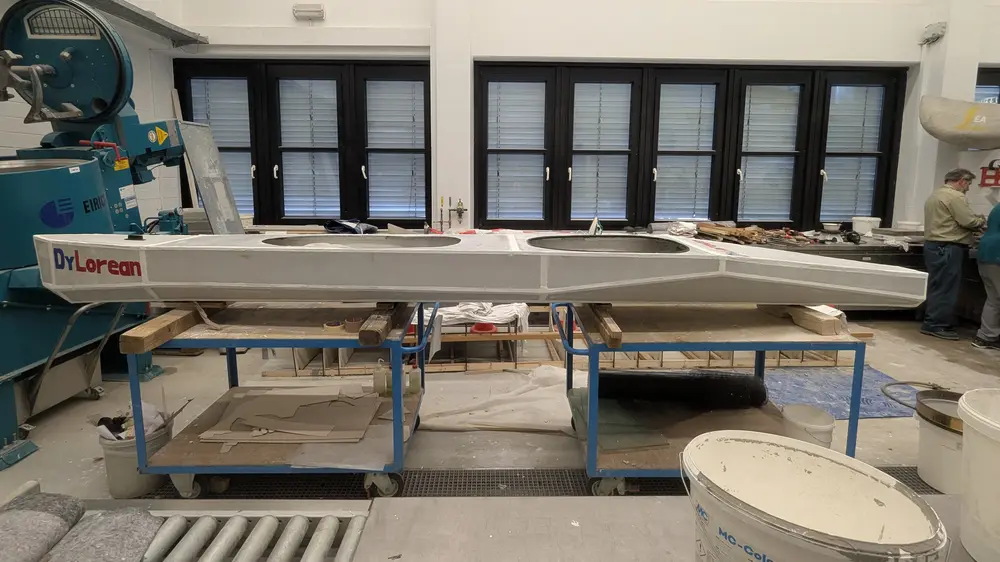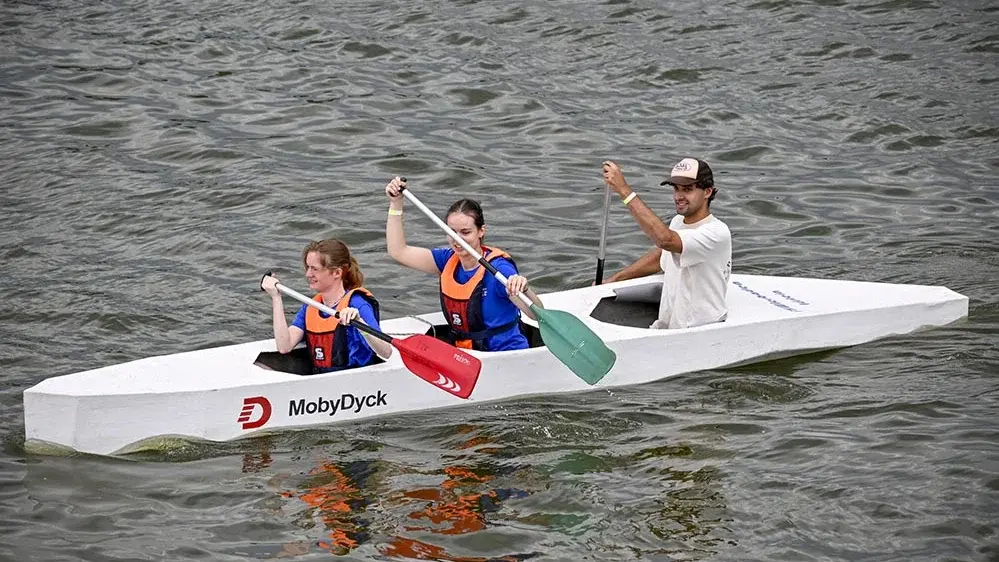
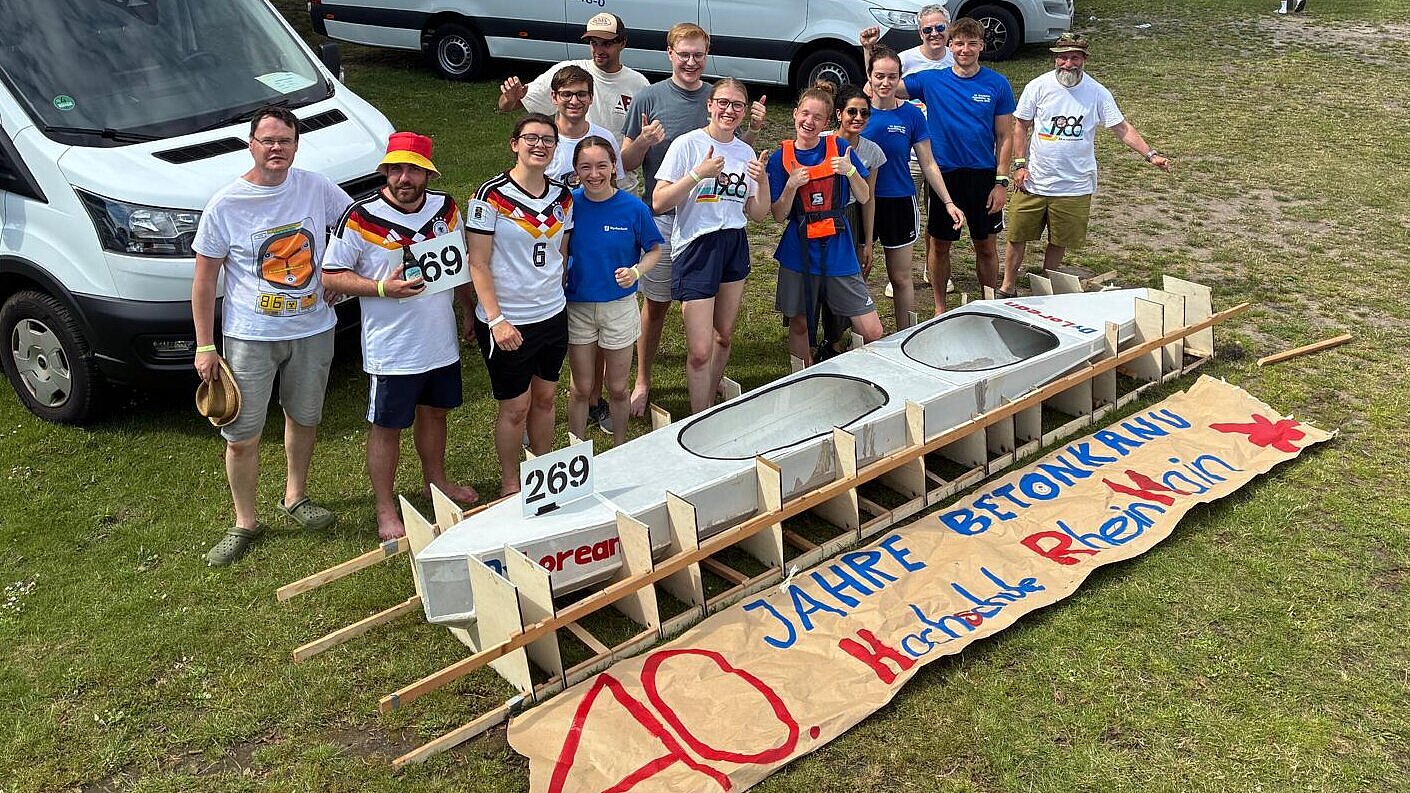
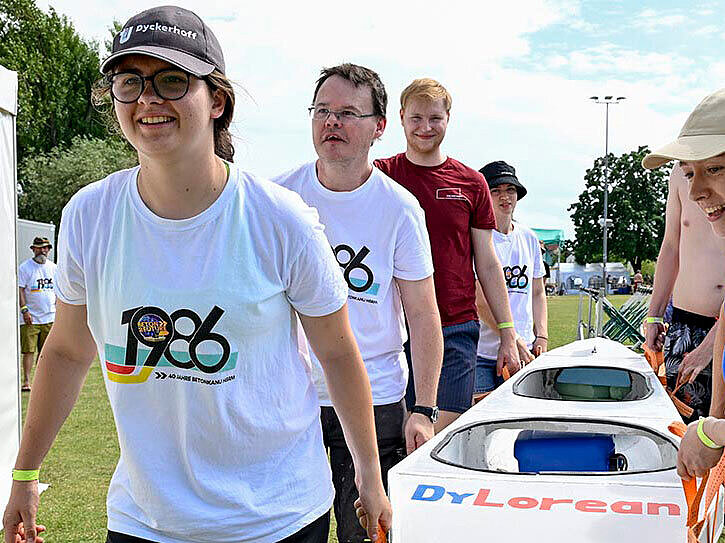
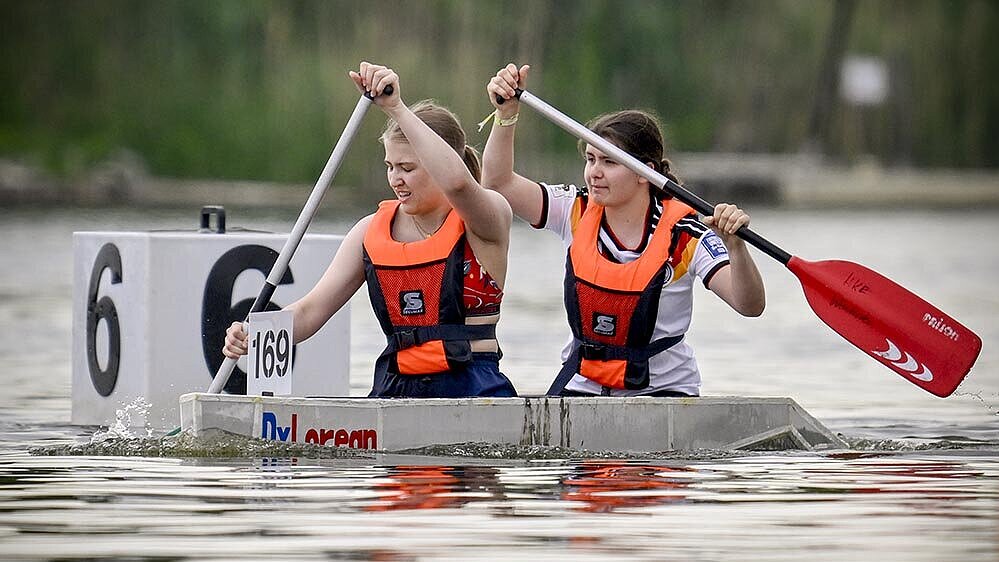
A team of students from RheinMain University of Applied Sciences and Arts (HSRM) once again competed in the 20th German Concrete Canoe Regatta organized by InformationsZentrum Beton GmbH. Under the motto “Beton 2 Future”—a play on the movie “Back to the Future”—the team drew inspiration from the 1986 anniversary canoe “MobyDyck,” which won an award at the time. In keeping with this theme, the new canoe was named “DyLorean,” a play on the legendary DeLorean sports car from the movie and the team’s sponsor, Dyckerhoff. Even during the planning phase, the group organized itself into departments such as finance, design, logistics, public relations, construction, and organization.
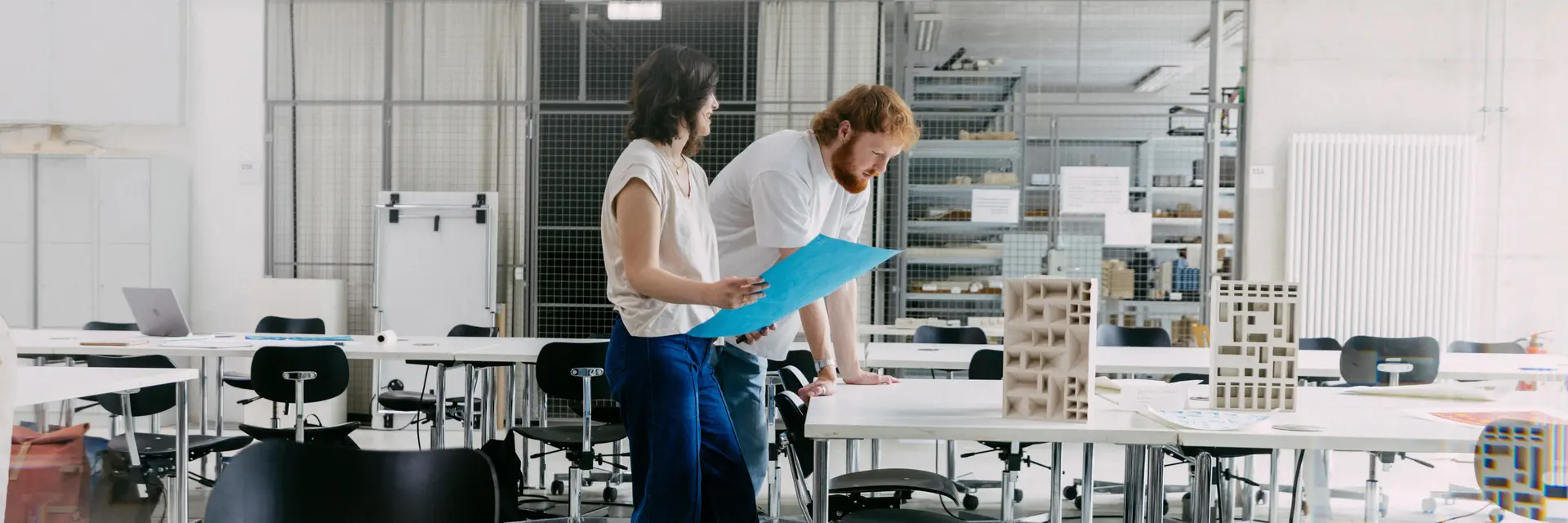
Construction was preceded by an intensive development phase. The team tested different fabrics, wall thicknesses, formwork types, concrete mixtures, and folding techniques. The canoe’s shape was also deliberately refined: using a 3D scan of its historic predecessor, an optimized model was created.
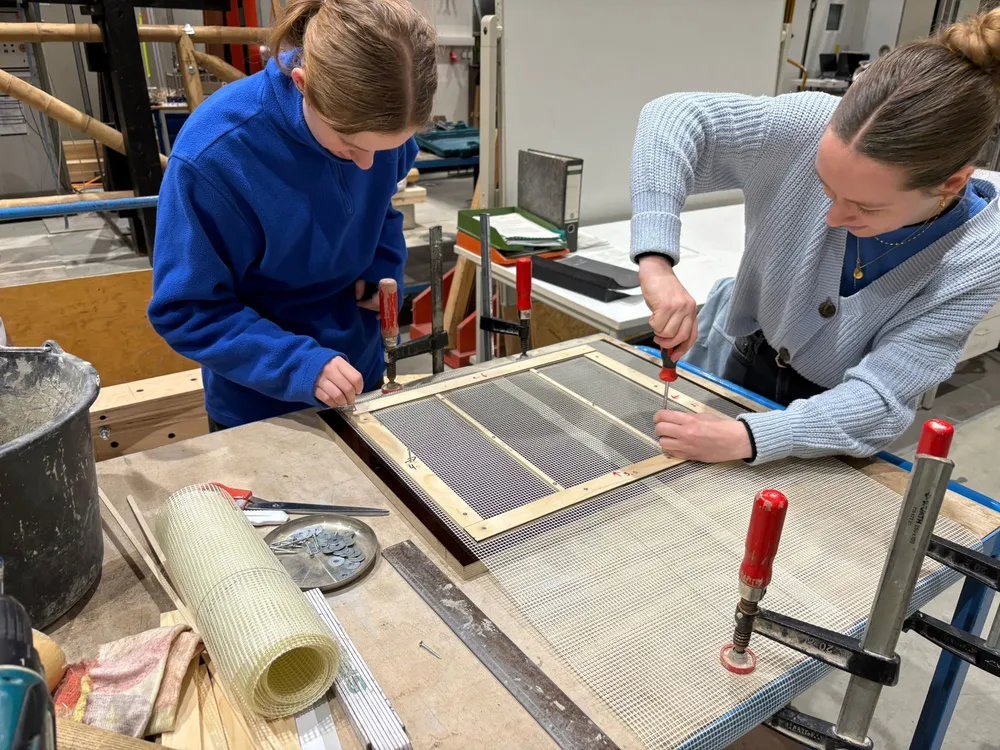
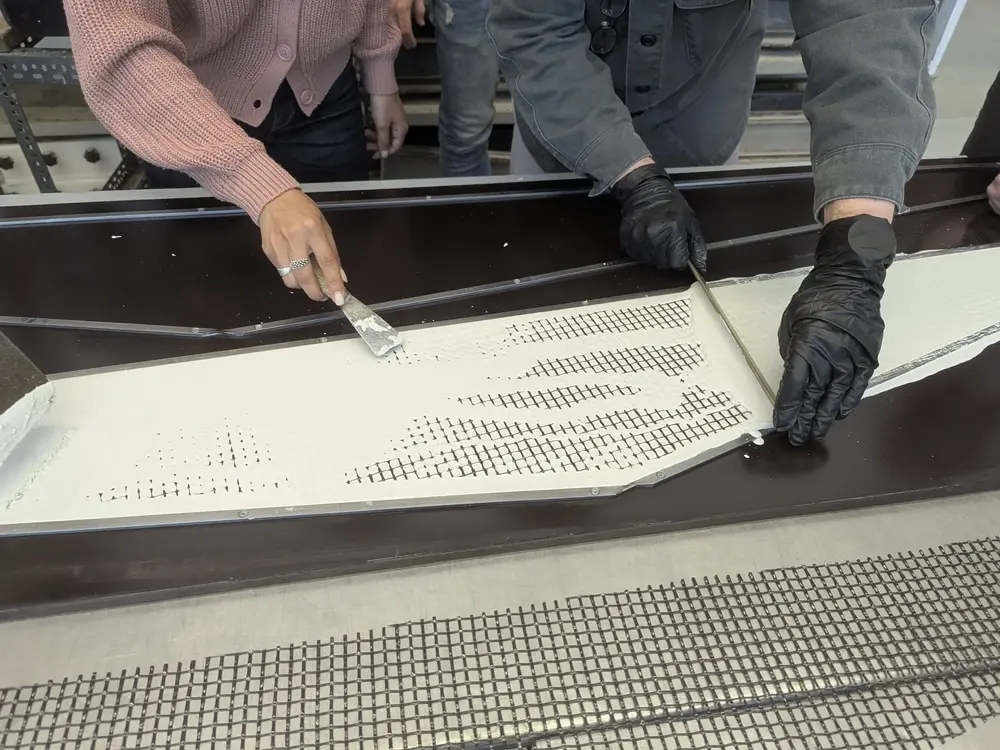
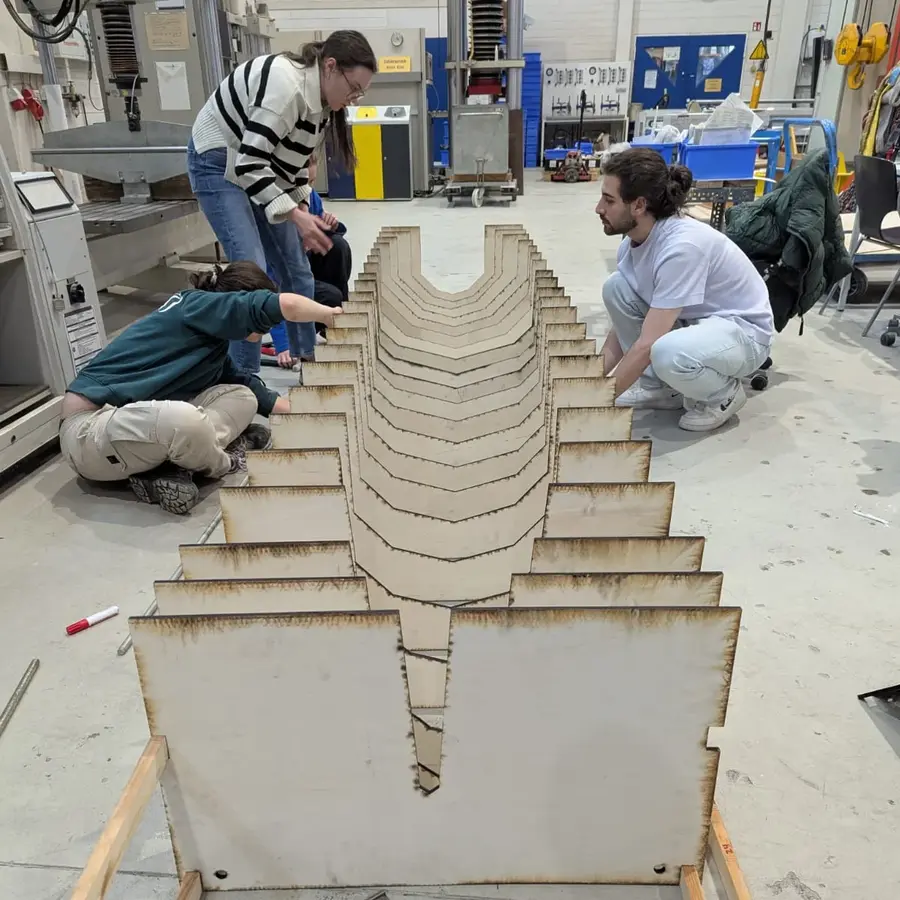
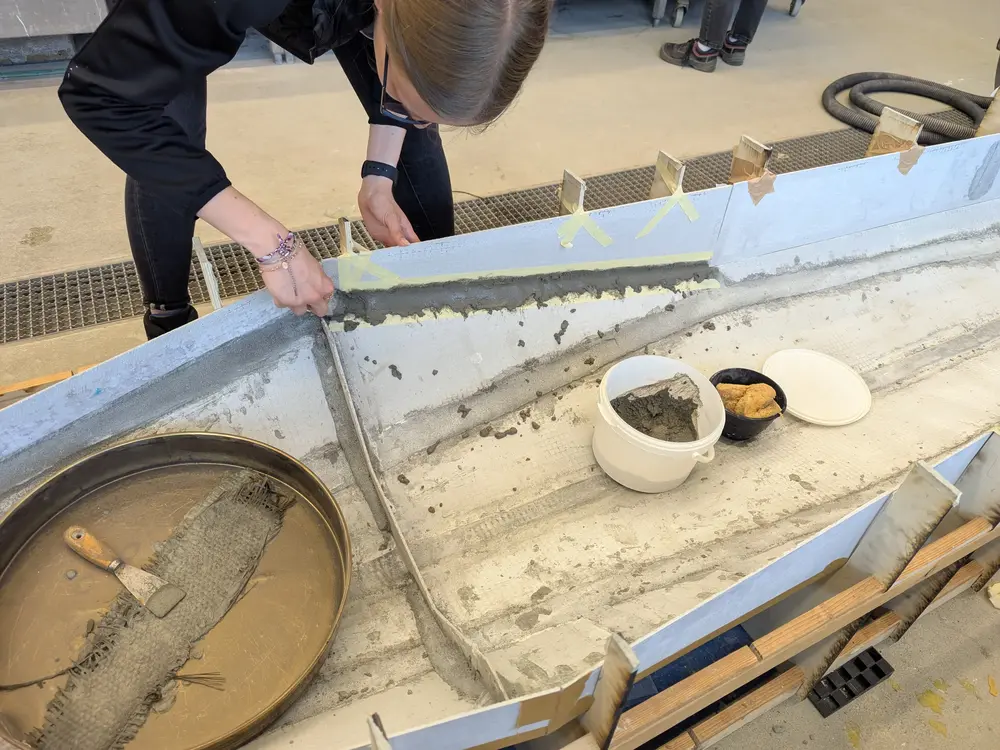
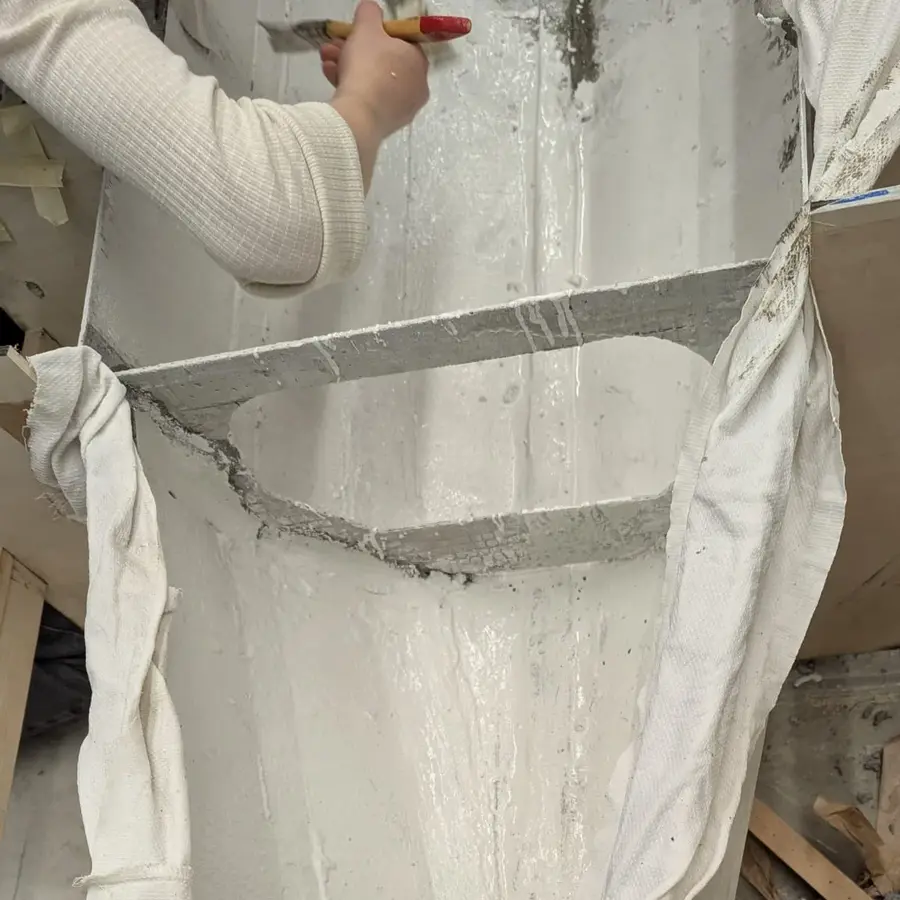
The canoe was constructed in several coordinated steps: First, the individual panels were cast in concrete and reinforced with custom-cut basalt fabric. Next, a formwork framework was constructed from laser-cut plywood partitions and wooden slats, into which the panels could be inserted and mortared together at the correct angle. The interior of the canoe was then coated with cement slurry to seal any potential microcracks; the team also installed stiffening elements as well as covers and manholes. Materials used included white cement from Dyckerhoff, an innovative CO2-negative fly ash substitute from Co-reactive GmbH in Erkrath, and a superplasticizer.
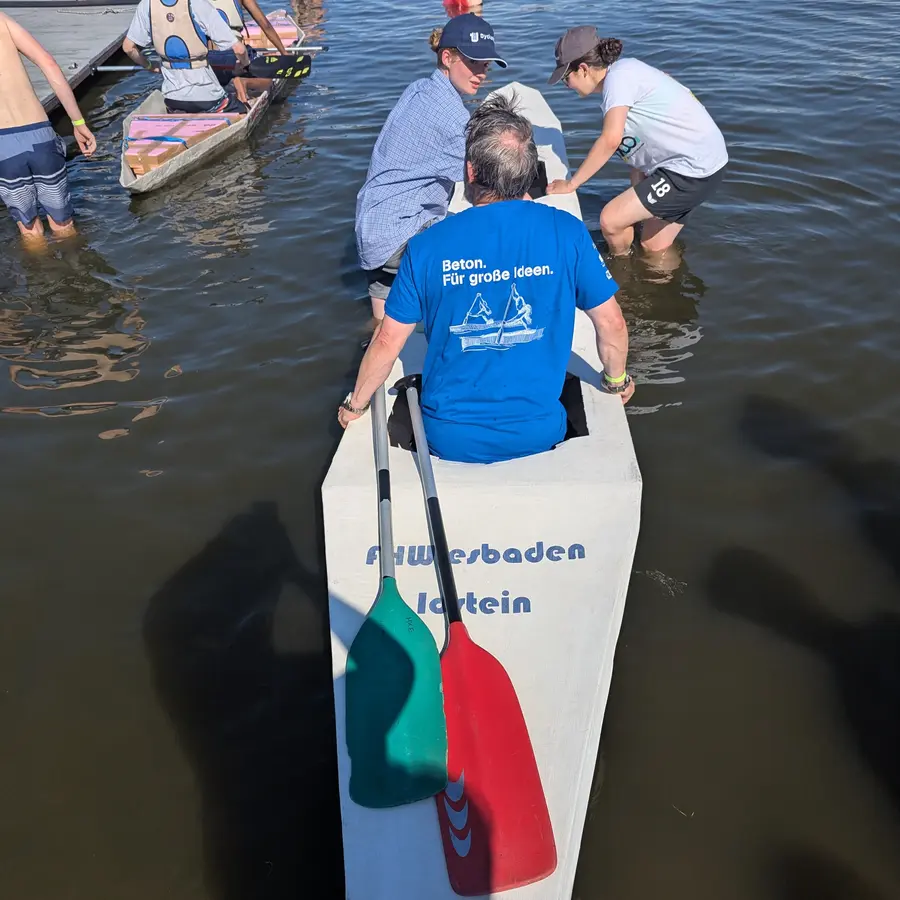
During the regatta itself, the competition did not go as hoped, but it was precisely there that the team’s particular strength became apparent. The men’s team’s canoe sank even before the actual start, after it had been in the water for quite some time and had to wait there. Instead of considering the project a failure at that point, the group reacted immediately: The canoe was quickly repaired with mortar, allowing both the women’s and the mixed teams to start successfully and reach the goal.
The project demonstrated how the students at RheinMain University of Applied Sciences were able to work together, drawing on their technical improvisation skills and perseverance. It leaves the impression of a team that worked together on an idea and saw it through to the end.
[AI was used as an aid in the creation of this text.]