English Master's programs
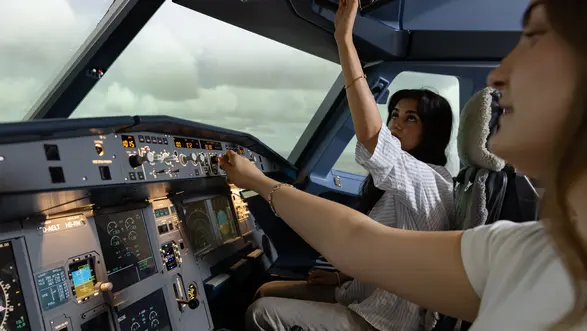
Hochschule RheinMain – University of Applied Sciences and Arts (HSRM) launches four new English-taught Master’s degree programs in the Faculty of Engineering from the winter semester 2026/27. These programs are designed to prepare graduates for international careers in technology, research, and industry. They combine academic excellence with application-oriented teaching and close links to current developments in their fields.
Please note: The information provided here is preliminary and subject to change. Detailed official program pages will be published before the application phase begins.
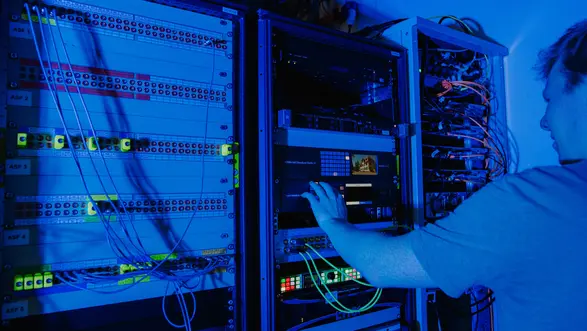
AI and Advanced Information Technology (M. Eng.)
The Master’s program AI and Advanced Information Technology focuses on advanced methods and applications in artificial intelligence and modern information technologies, with a strong connection to engineering practice and real-world use cases.
Focus areas: Machine learning and data science; advanced information technologies; interdisciplinary cooperation for real-world applications.
Admission restriction: Numerus clausus (NC).
Curriculum and module handbook are available on the official program website AI and Advanced Information Technology.
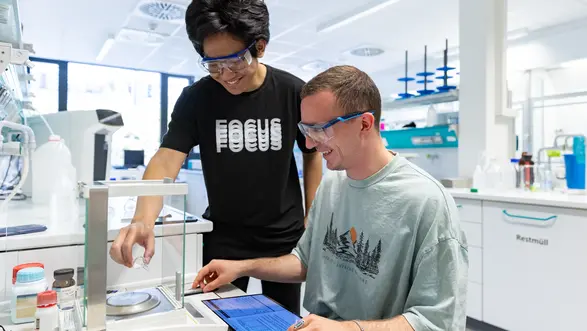
Applied Physics (M. Sc.)
The Master’s program Applied Physics focuses on advanced topics in applied and experimental physics with a strong research orientation and close links to current scientific and technological developments.
Focus areas: Photonics and quantum technologies; micro and nanotechnology; hydrogen and energy storage.
Admission procedure: Selection interview as part of the admission process.
Study plan and more are available on the official program website Applied Physics.
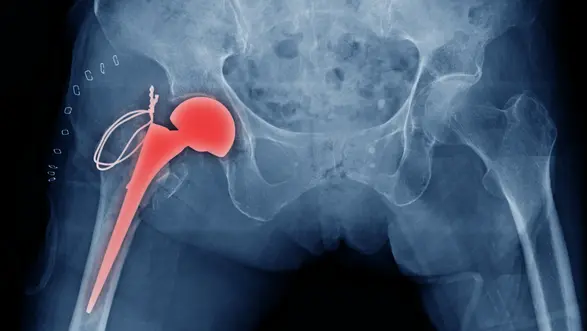
Biomedical Engineering (M. Sc.)
The research-oriented Master’s degree in Biomedical Engineering is designed for graduates of engineering or related fields. It focuses on the development, optimization, and application of modern medical technologies in an international healthcare context. The programme will start in the winter semester 2026, runs for three semesters (90 ECTS) with two semesters of coursework and one semester for the Master’s thesis, and is offered at the Rüsselsheim campus.
Admission restriction: Numerus clausus (NC).
Focus areas: Biomedical imaging and medical device technology; biomechanics and rehabilitation engineering; AI applications in healthcare.
Curriculum and module handbook are available on the official program website Biomedical Engineering.
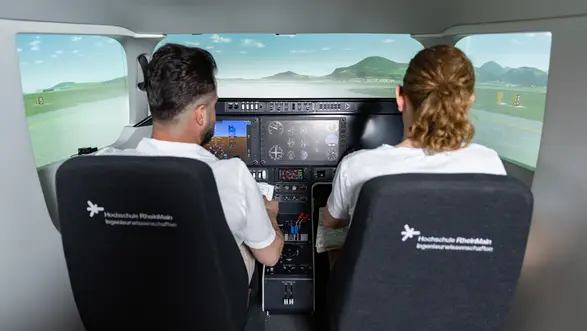
Sustainable and Digital Aviation (M. Eng.)
Sustainable and Digital Aviation Master Q&A
16 June 2026, 18:00–19:30 CEST
Join our online Q&A session to learn more about the program and ask your questions directly to the program team.
No registration is required.
Join Zoom Meeting: https://hs-rm.zoom-x.de/j/68433151328
The Master’s degree in Sustainable and Digital Aviation prepares students to become experts in digital transformation and sustainability in aviation. It equips them with the skills to drive innovation and meet regulatory requirements in a rapidly evolving sector. The programme is designed as a part time professionally oriented program for applicants with a Bachelor’s degree in a STEM discipline who are working in an engineering or aviation related role with a workload of at least 20 hours per week.
The programme will start in the winter semester 2026, runs for three semesters (90 ECTS) with two semesters of coursework and one semester for the Master’s thesis, and is offered at the House of Logistics and Mobility (HOLM) in Frankfurt am Main, an innovation hub located directly at Frankfurt Airport with close industry connections.
Admission restriction: Numerus clausus (NC).
Focus areas: Sustainable Aviation Fuels (SAF) and hybrid aircraft; artificial intelligence, machine learning and digital transformation in aviation; big data and cybersecurity in the aviation sector.
Curriculum and module handbook are available on the official program website Sustainable and Digital Aviation.
Further Information
General Information
Admission notes by program:
- Applied Physics (M.Sc.): selection includes an interview.
- Biomedical Engineering (M.Sc.): admission is subject to a numerus clausus (NC).
- Sustainable and Digital Aviation (M.Sc.): admission is subject to a numerus clausus (NC).
- Artificial Intelligence and Advanced Information Technology (M.Eng.): admission is subject to a numerus clausus (NC).
Application platform: apply via uni-assist
Application deadlines:
- First possible application is for Winter Semester 2026, with the first application deadline on July 15, 2026.
Detailed application information: see the HSRM application page
Language of instruction: English
Master’s thesis: The thesis must be written in English
Check here for accepted English language certificates (B2+ level).

Visa, housing, jobs & life in the region!
-
 Visa and preparations before starting your studiesVisa and preparations before starting your studies
Here you will find important information to help you organize your stay in the Rhine-Main region from visas and registration to insurance and your first steps after arrival. Start your studies well prepared!
-
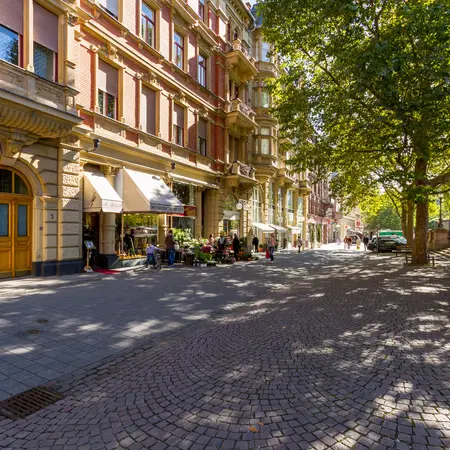 LivingLiving
Here you will find information on housing options, student residences and tips for finding accommodation in the Rhine-Main region, as well as living in Rüsselsheim.
-
 Scholarships and funding for your studiesScholarships and funding for your studies
Here you will find information on funding your studies including scholarships, student loans and advisory services.
-
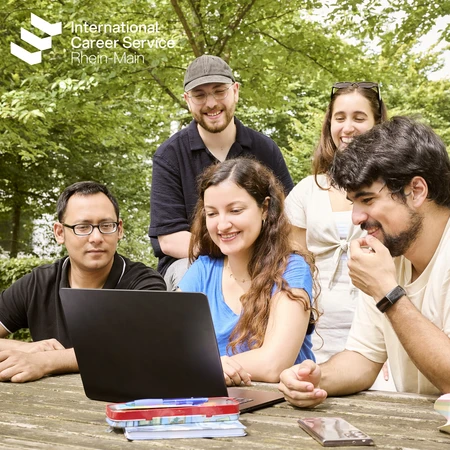 International Career Service Rhein-MainInternational Career Service Rhein-Main
Start your career or your business with the International Career Service Rhein-Main. Just click here to find out more.
-
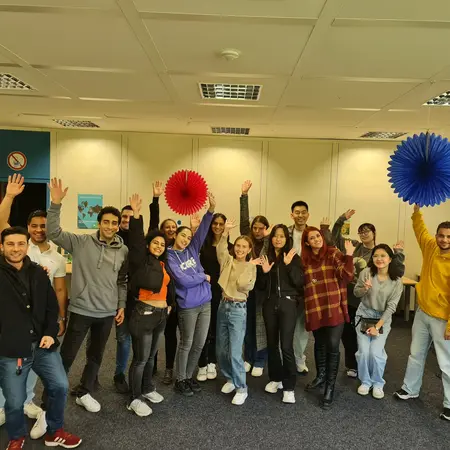 Welcome Week for international first semester studentsWelcome Week for international first semester students
Start your studies at HSRM with our Welcome Week. Here you will receive all the important information for starting your studies, get to know the campus and connect with other students. Here you can find the information. The Welcome Week is currently held in German and is expected to be offered in English starting in the winter semester 2026.
-
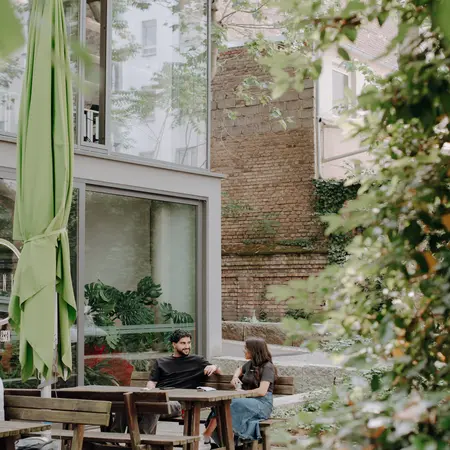 Help in times of crisisHelp in times of crisis
Do you have a problem, need information on medical care or find yourself in a crisis situation? Here you will find contact persons, counseling services and support options in the Rhine-Main region.
-
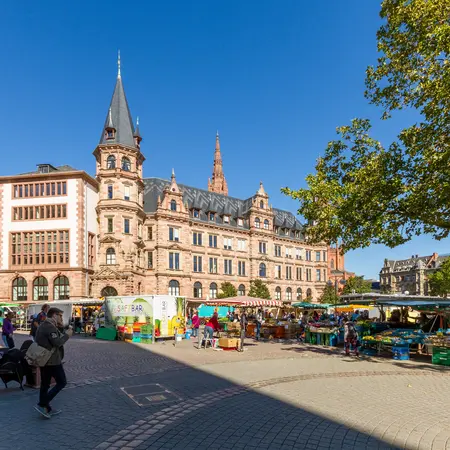 Welcome & StayWelcome & Stay
Living and studying in Rüsselsheim and Wiesbaden – discover the campus, the city and leisure activities!