Audio-visual Technologies and Artificial Intelligence - Applied Engineering
What is it about?
Starting Wintersemester 2026/2027
Have you ever wondered how an autonomous vehicle analyzes its environment? And how people and objects can be reliably recognized? You’ll learn about this and much more in the Audiovisual Technologies and Artificial Intelligence specialization of our bachelor’s degree program in Applied Engineering Sciences.
Study with us if you don’t just want to use AI, but want to understand which models are particularly suited to specific use cases, how to compare different AI models, and how to select them according to particular criteria.
The focus of our program is on video and audio, and not just for the media industry. Our staff are also researching in areas such as vehicle environment detection and traffic monitoring.
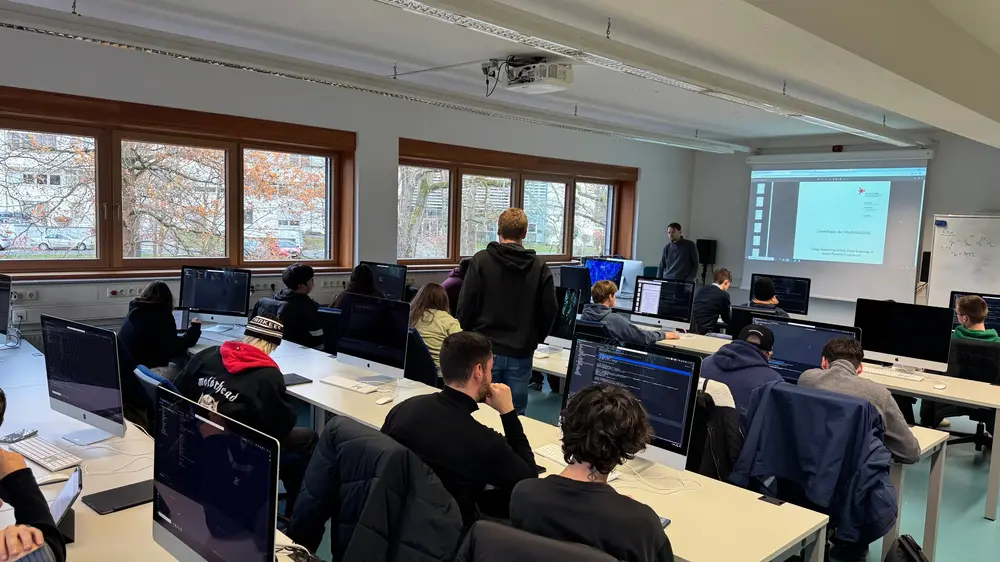
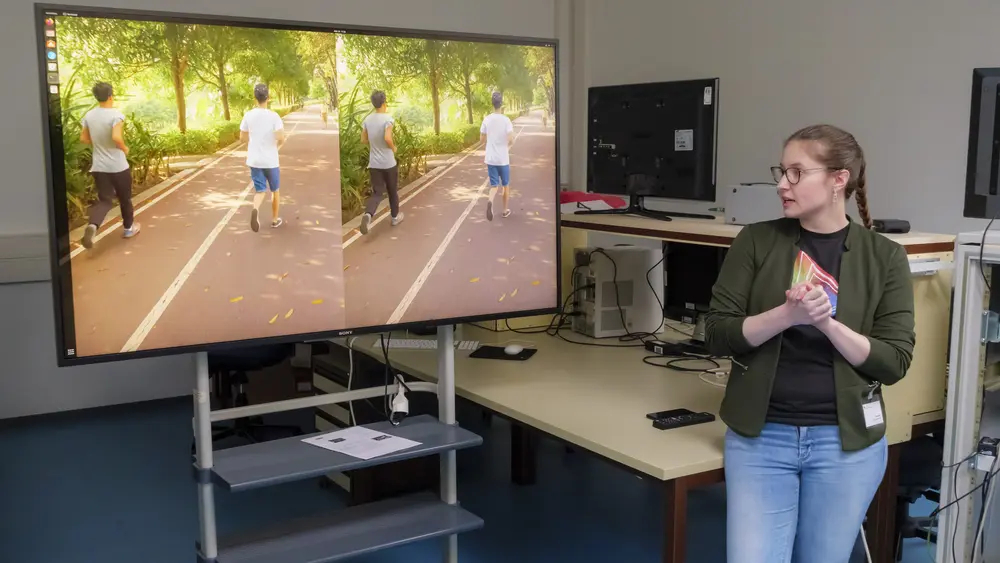
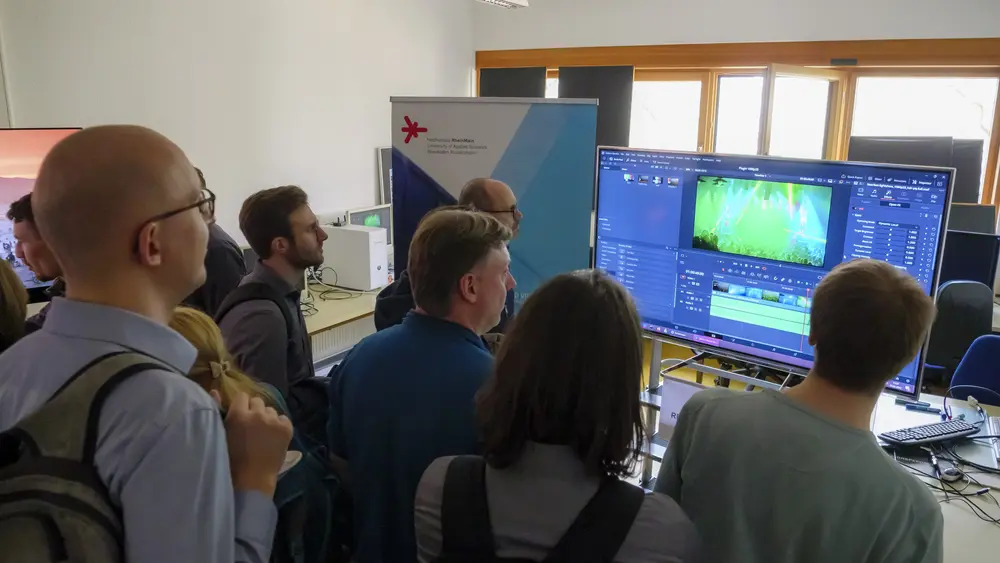
From the first semester, you’ll be involved in practical projects with direct exposure to current research issues, as well as receiving foundational education in mathematics and technology. Current projects address topics such as traffic monitoring, video enhancements, and automated video editing.
What can I do with it?
Experts in AI are in high demand in the employment market. Some of the many professional fields which you can enter after the bachelor’s degree include: developing software, selecting and implementing AI models, optimizing IPTV & streaming technologies, designing media technology for the automotive industry, and planning production and studio technology with the latest AI technology.
AI technologies are playing a greater and greater role, not just in the media industry, but in all areas of technology. It’s your choice.


AVT & KI can also be studied cooperative!
AVT & KI can also be studied on a cooperative basis. In a practice-integrated variant, you have the opportunity to combine your studies with accompanying practical experience. To do this, you will need an internship contract with a cooperating company of Hochschule RheinMain - University of Applied Sciences and Arts. During the semester break, you will be regularly employed by your partner company. During the teaching period, you will have one practical day per week in the respective company.
Further information on the concept of cooperative studies and the cooperating companies can be found here:
Cooperative studies AVT & KI
| The company | Company address | Contact person |
| https://www.bfe.tv | BFE Studio und Medien Systeme GmbH An der Fahrt 1 55124 Mainz | Mr. Tobias Hofmann Email: bewerbungen@bfe.tv Tel: +49 6131-946-330 |
| https://www.logic.tv | LOGIC media solutions GmbH Sandstraße 7 64404 Bickenbach | Mr. Jens Gnad Email: info@logic.tv Tel: +49 6257 9380-0 |
| https://www.netorium.de | Netorium GmbH Borsigstr. 11-13 65205 Wiesbaden | Mr. Dipl.-Ing. Peter Frantz Email: jobs@netorium.de Phone: +49 6122 170 96-0 |
| https://karriere.zdf.de | ZDF Human Resources Department Human Resources Development Division 55100 Mainz | Ms. Petra Merino Bothin Email: M erino.P@zdf.de |
| https://www.neumannmueller.com/de | Neumann & Müller GmbH Strohgäustraße 3 73765 Neuhausen auf den Fildern | Mr. Kenneth Tschersich https://www.neumannmueller.com/de/kontaktformular |
Excursions & Events
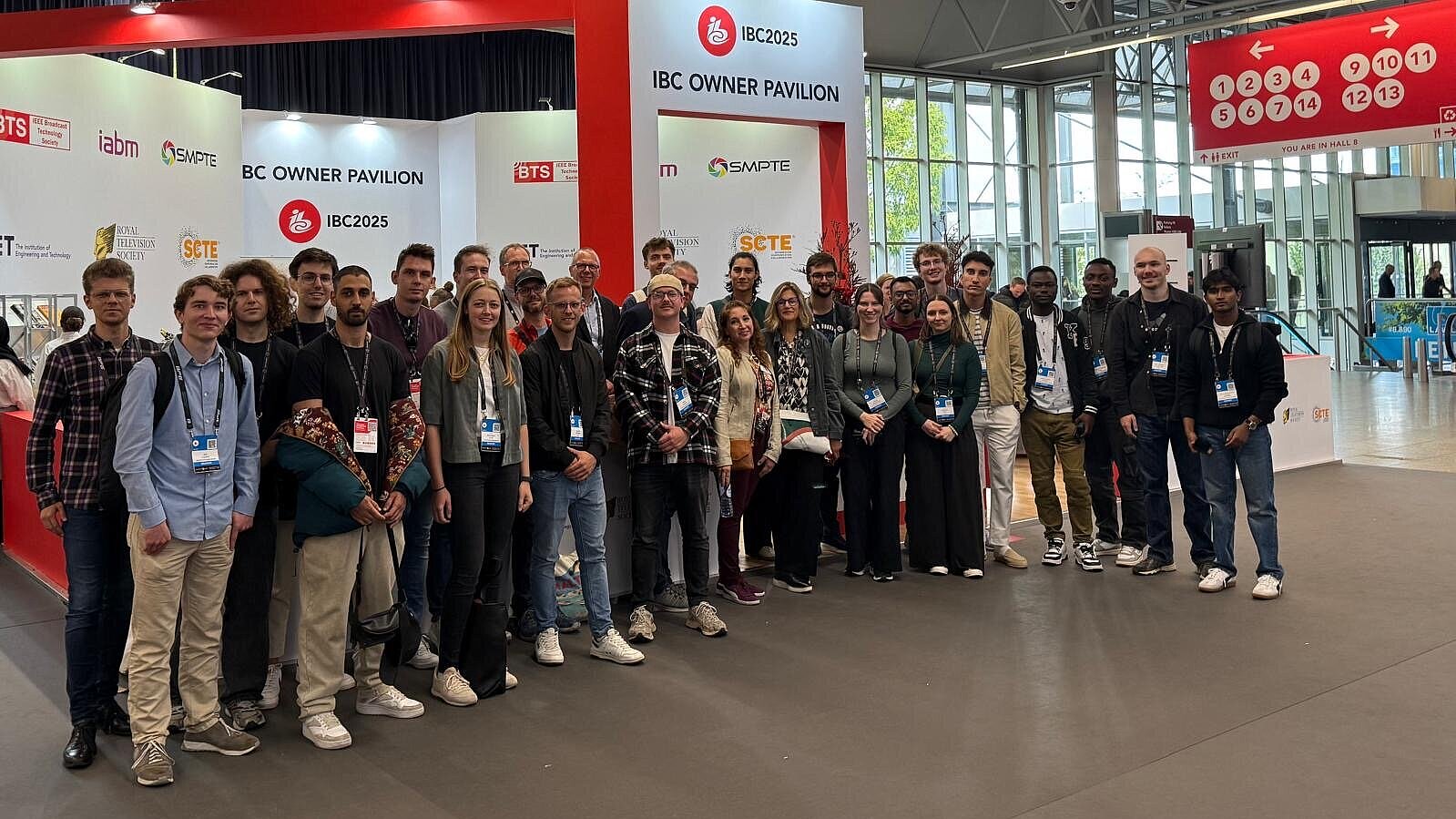
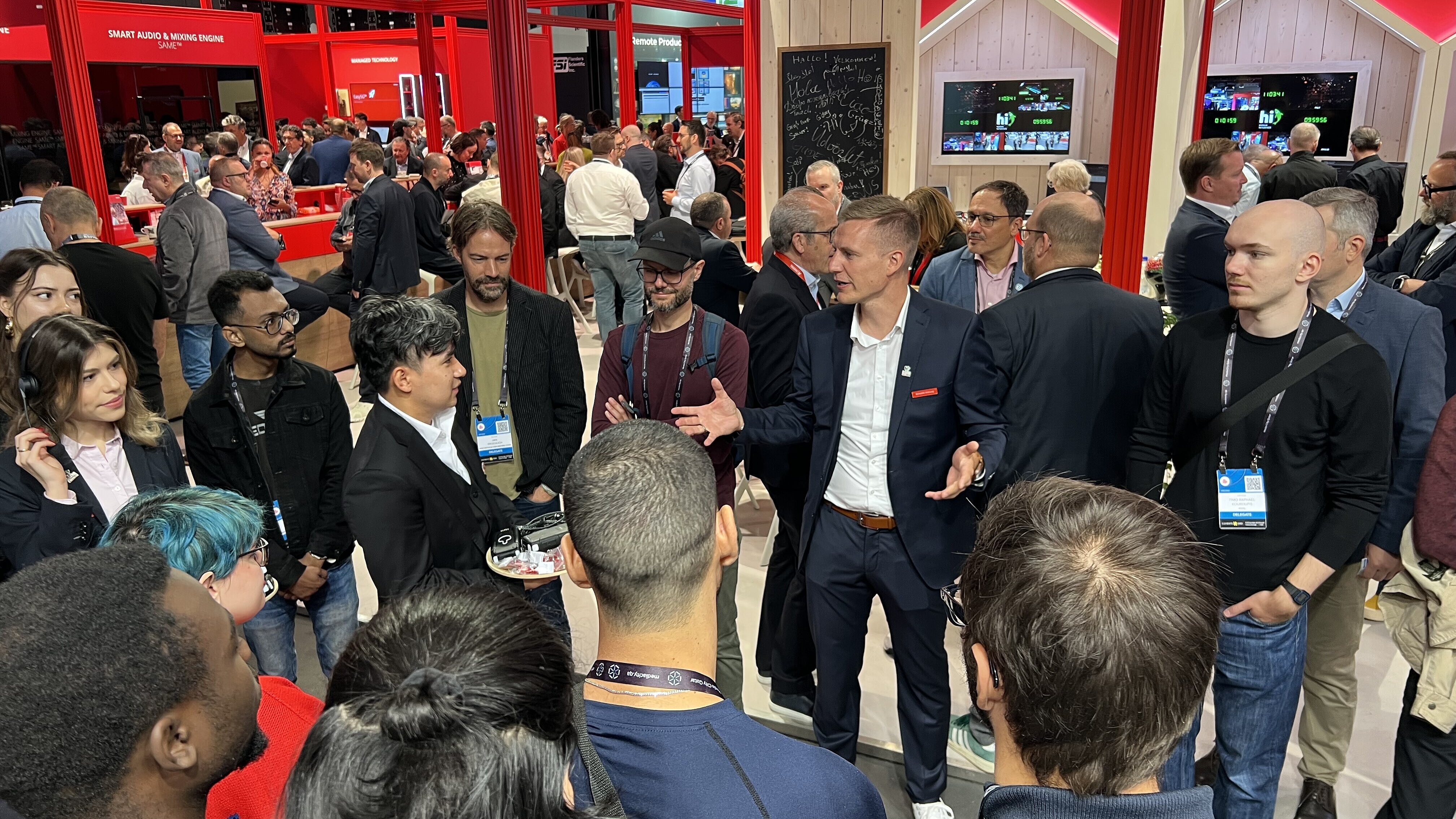
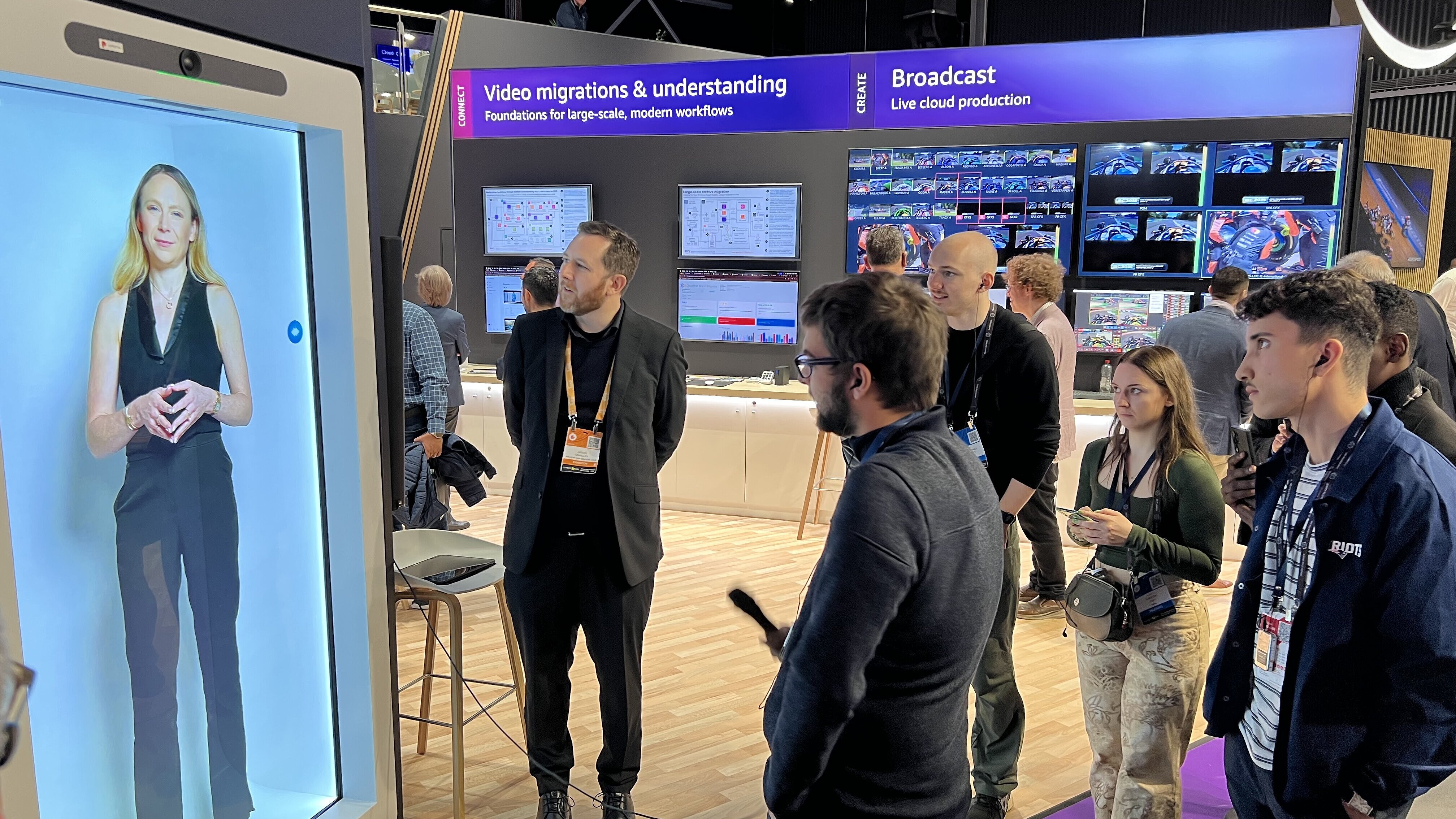
Once again this year, we took 10 students on an excursion to the International Broadcasting Convention in Amsterdam. An interesting program with many booth visits and good discussions provided all participants with professional suggestions and insights into the diverse fields of application of AV technologists and AI.
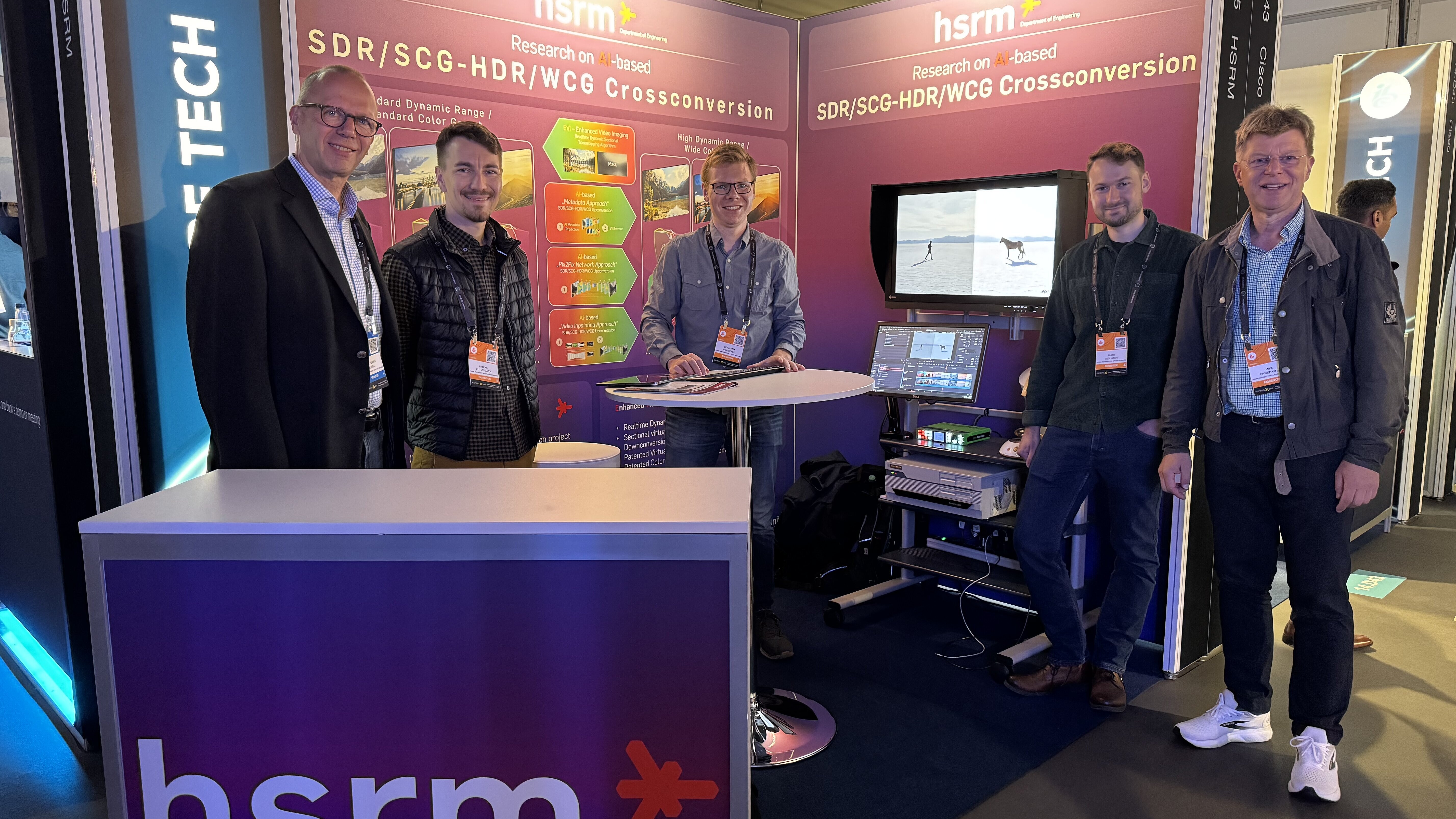
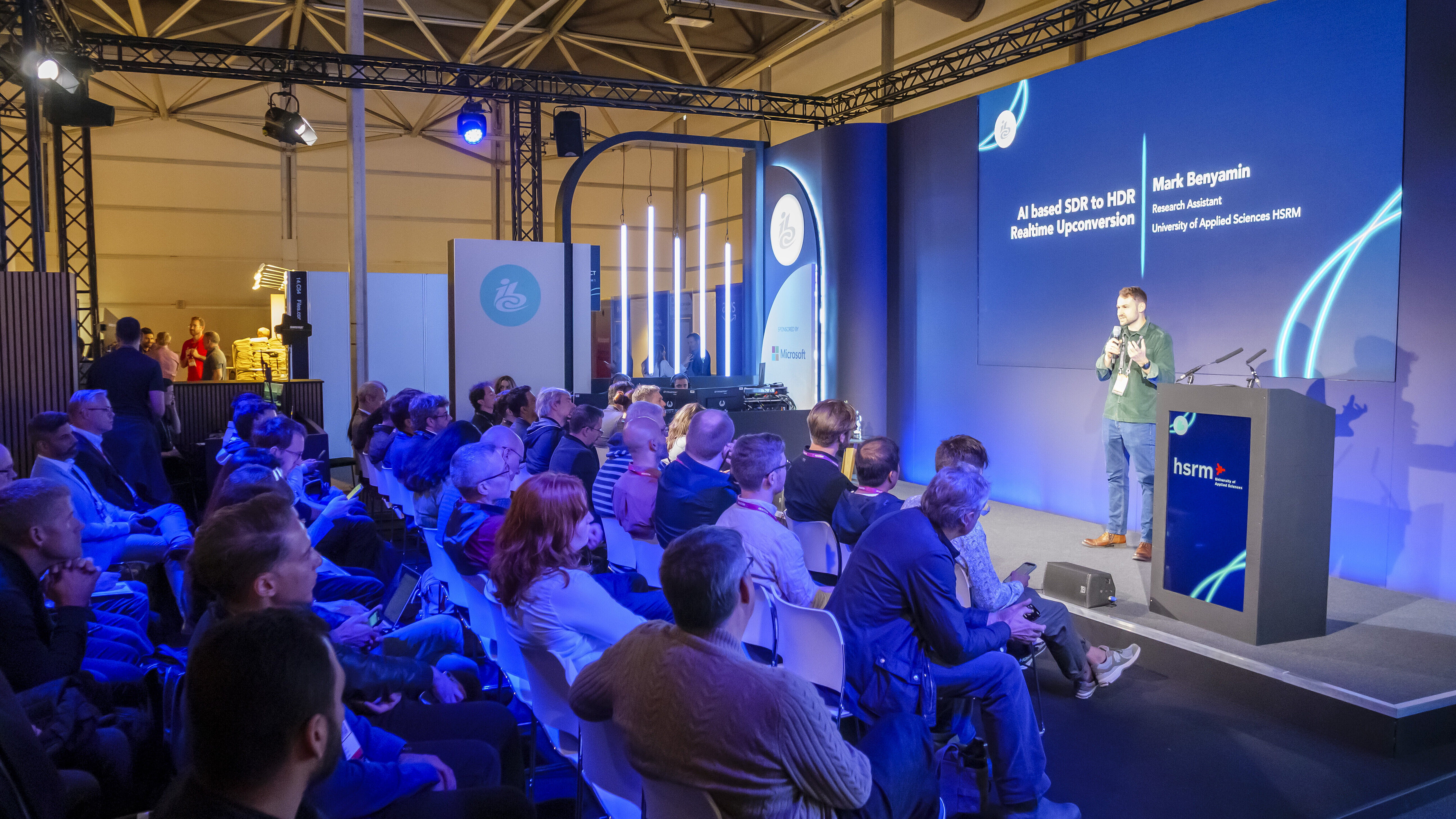
For the first time, we were also represented with our own stand on the research topic of AI-based SDR/HDR cross-conversion.
Thirteen students from the Media Technology and Advanced Media Technologies degree programs visited Panasonic's Business Solution Center with their supervising professor Bernhard Gross on 28 May.
Mr. Stefan Esselborn, Manager Sales Engineering, with the support of working student Hazma Drissi, demonstrated the wide range of topics in media and network technology. Various large displays and projectors could be admired in the event hall. Particularly impressive were the quality comparison when using different source coding and bit rates as well as the explanation of the Smart Display Module concept adaptation to different technologies. The diverse application possibilities of the Network Device Interface (NDI), which transmits audio and video via unicast and multicast flexibly, cost-effectively and bandwidth-efficiently between sources and sinks, were the subject of a Conference & Collaboration demonstration. Finally, Mr. Esselborn showed in a production studio how audio and video content as well as accompanying media can be produced flexibly and efficiently without technical operating personnel.
The guests enjoyed the excursion very much and were able to experience content from the courses at Panasonic in practical operation. Many thanks to Mr. Esselborn and Panasonic for the invitation.
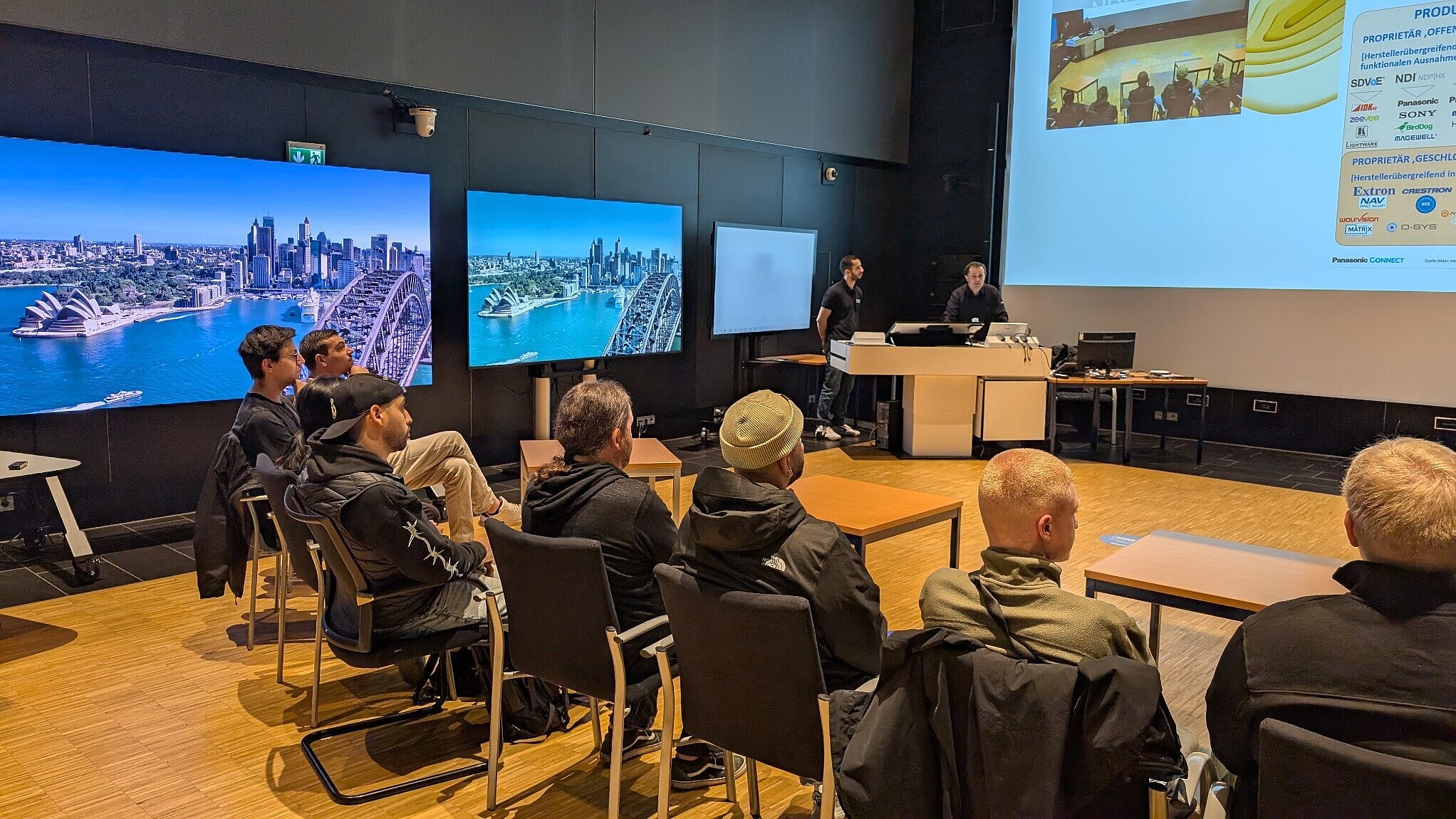
Visit to the Event Hall with large displays and projectors.
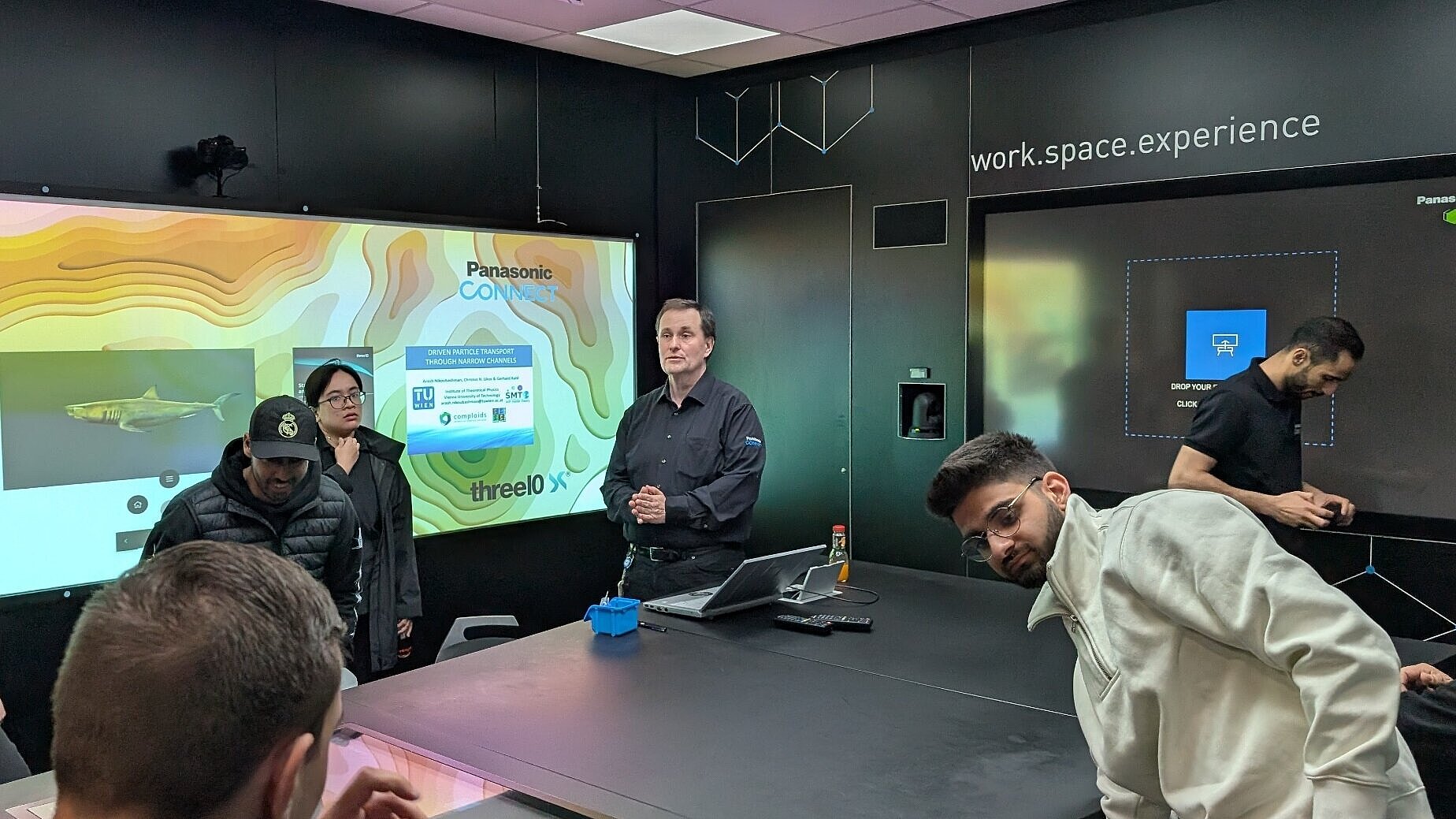
Visit to the Conference&Collaboration room.
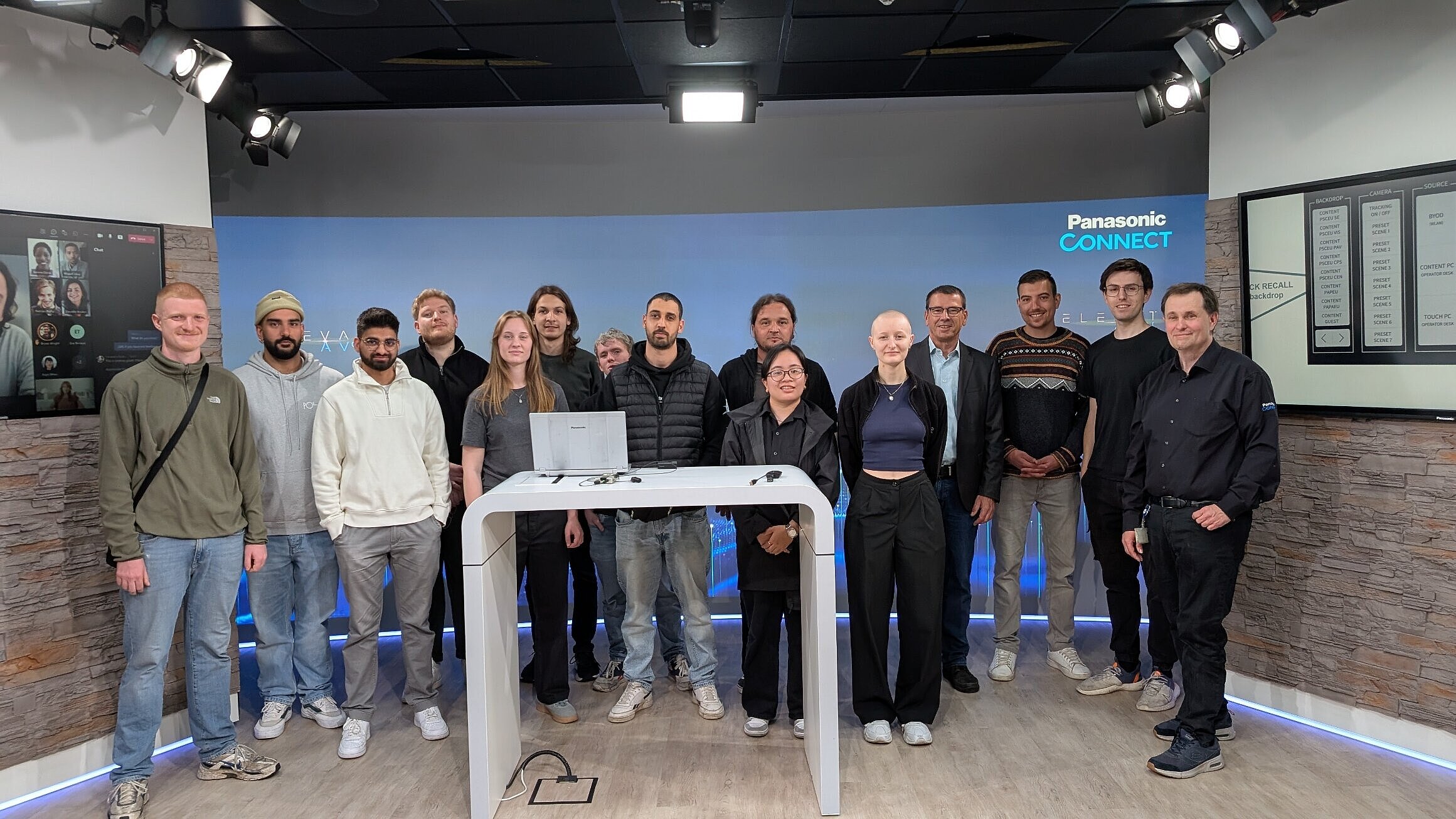
Visit to the AV production studio and group photo.
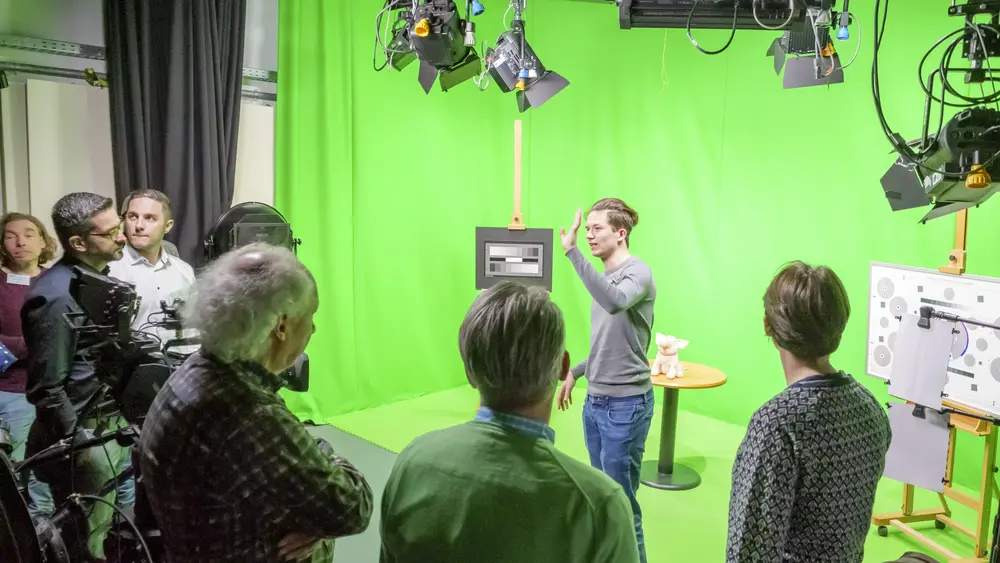
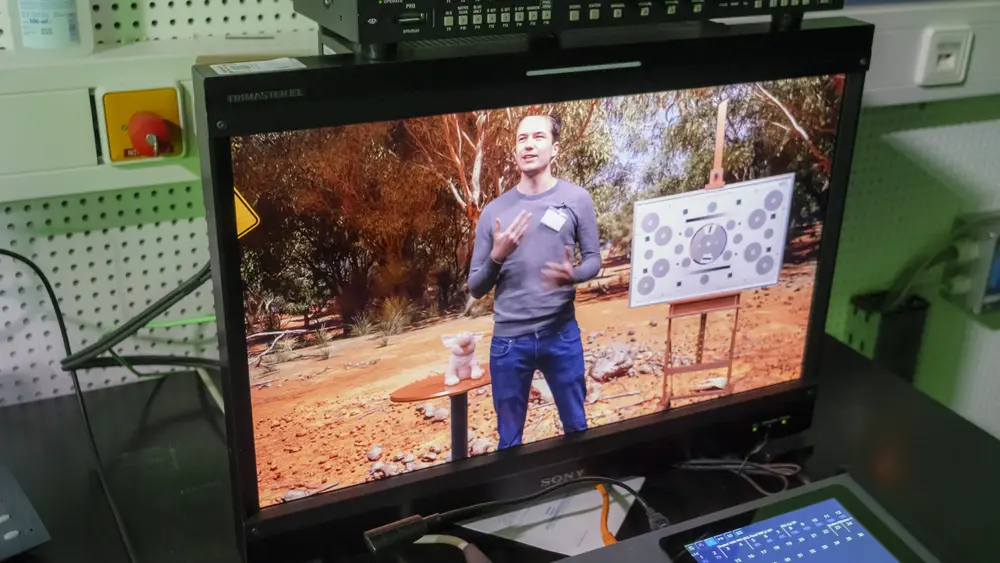
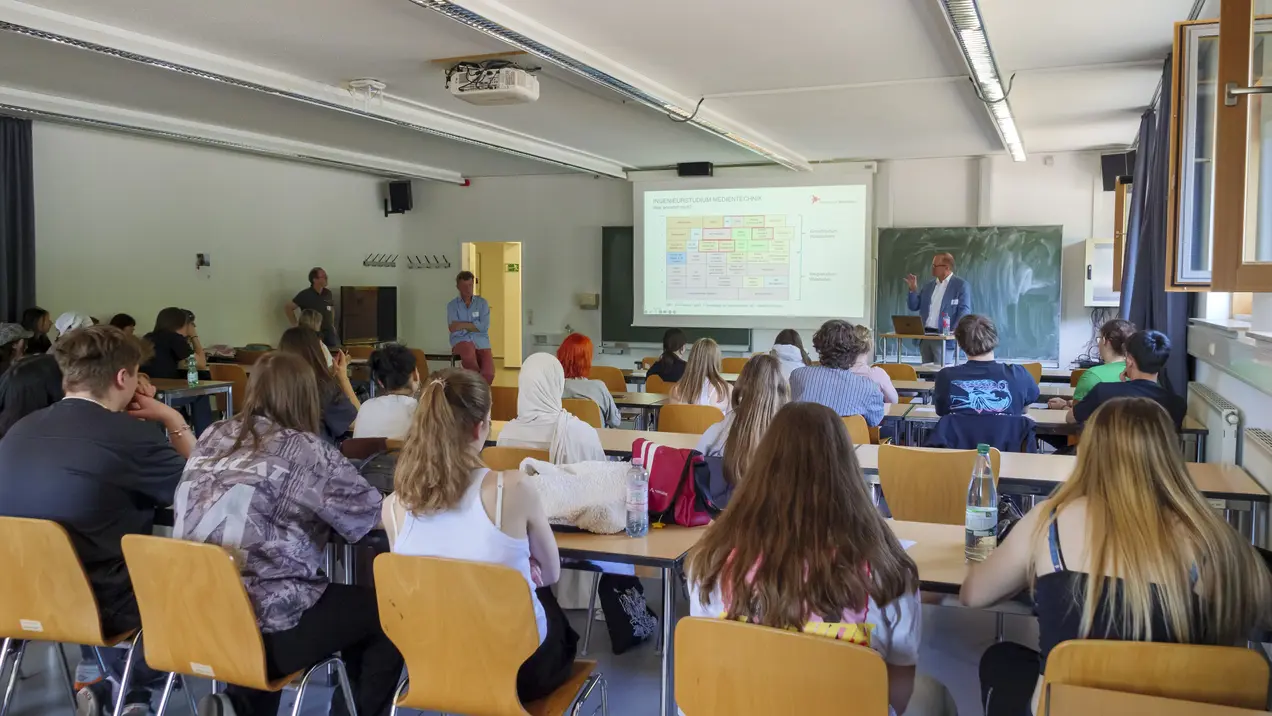
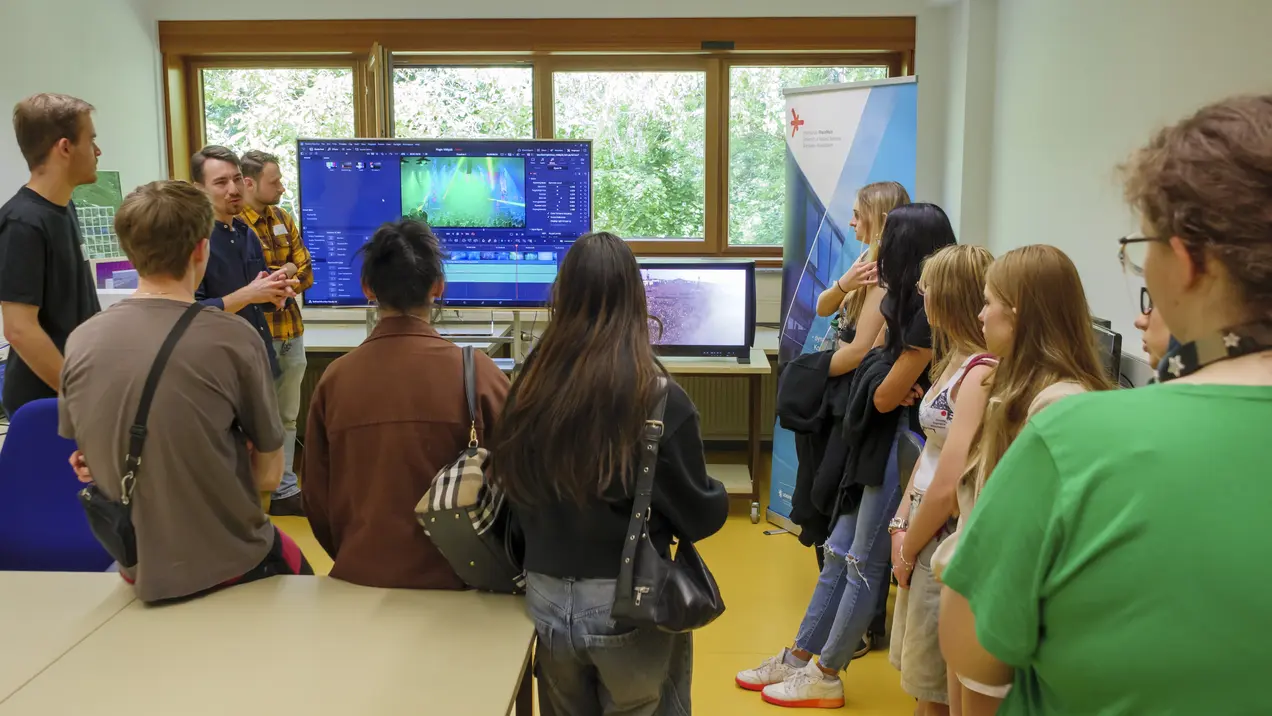
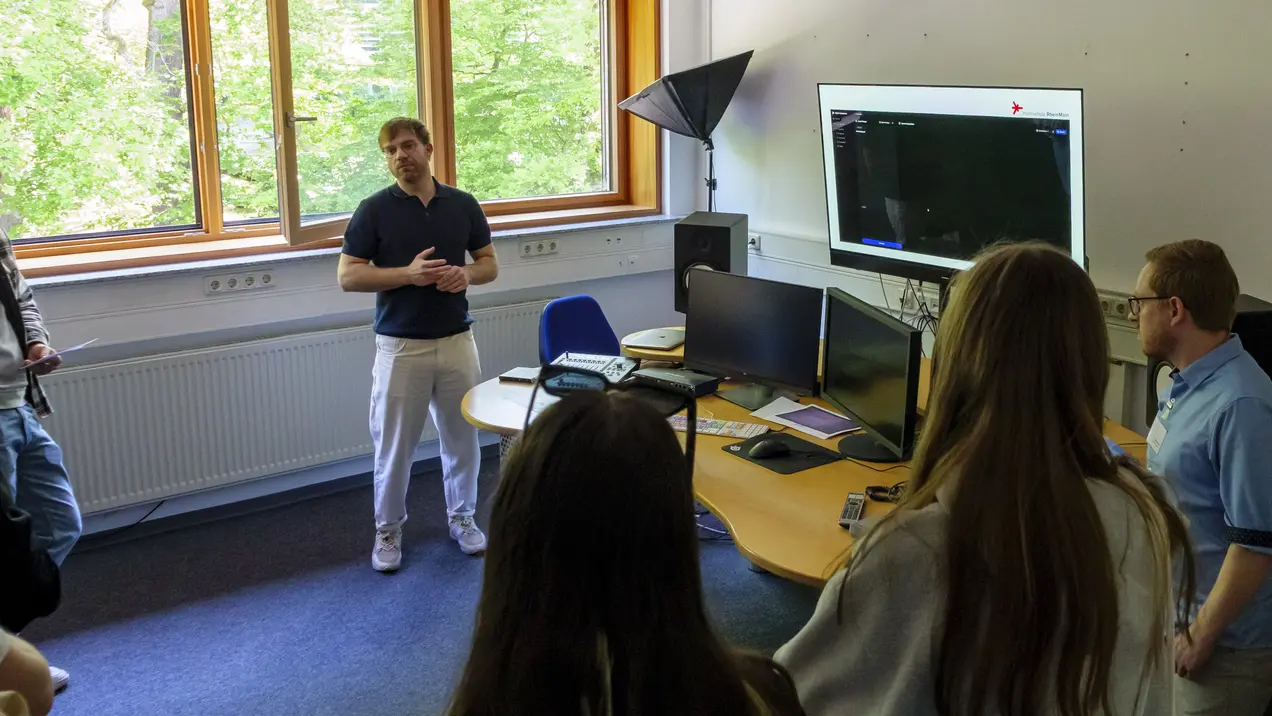
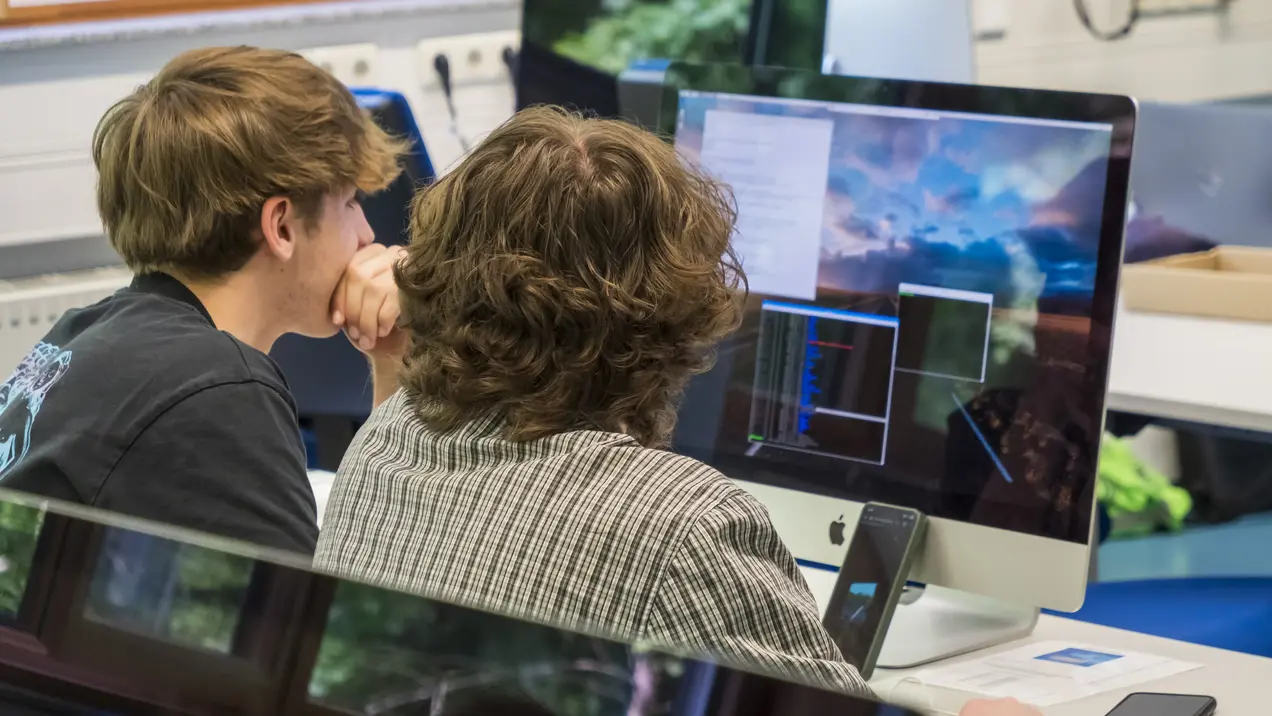
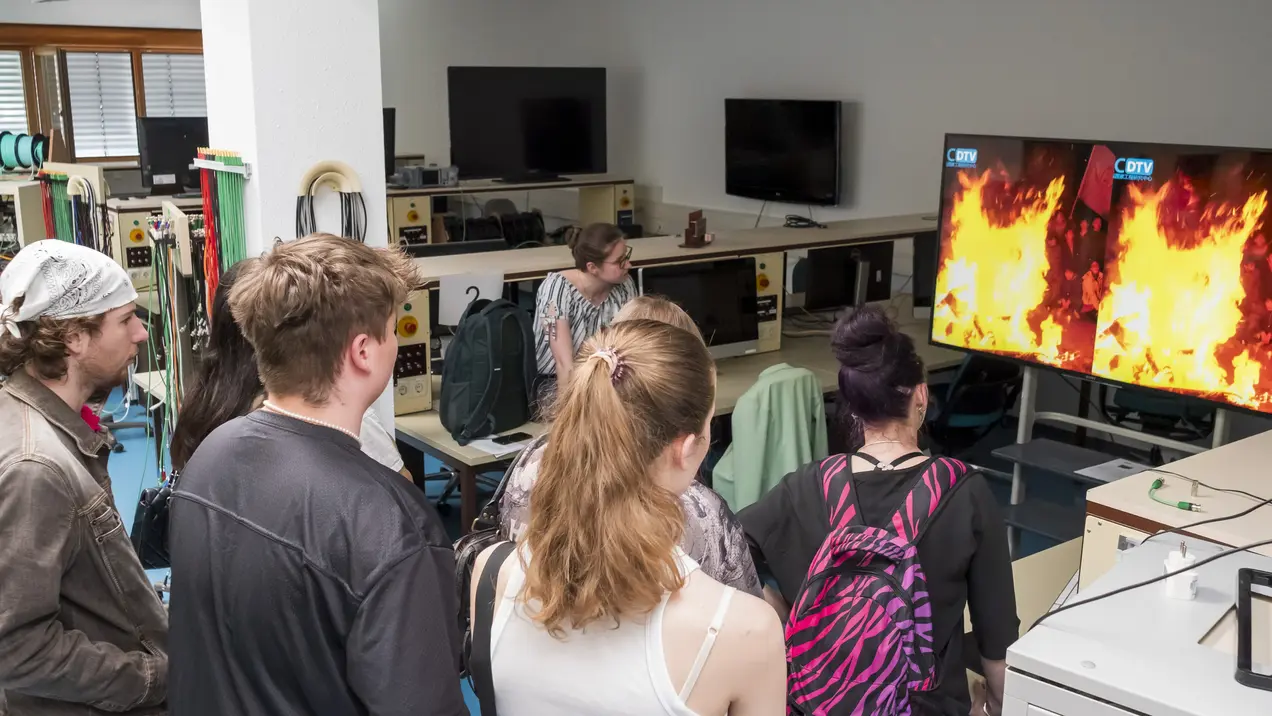
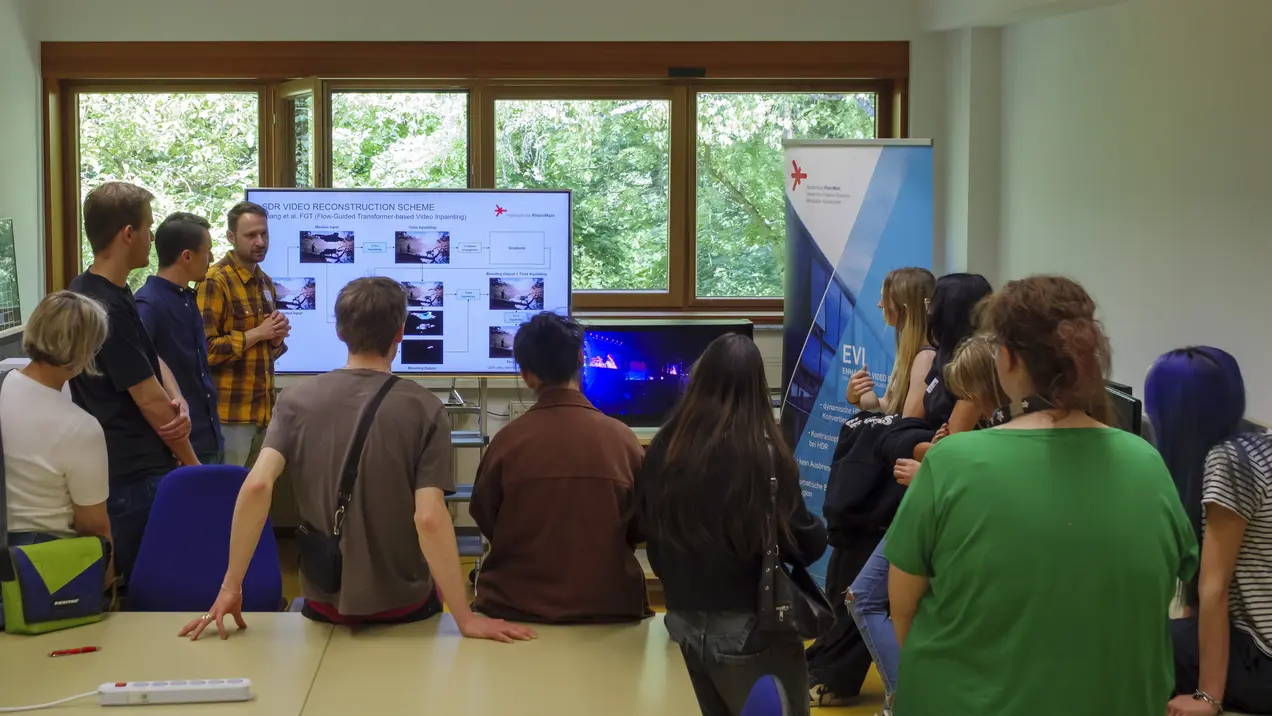
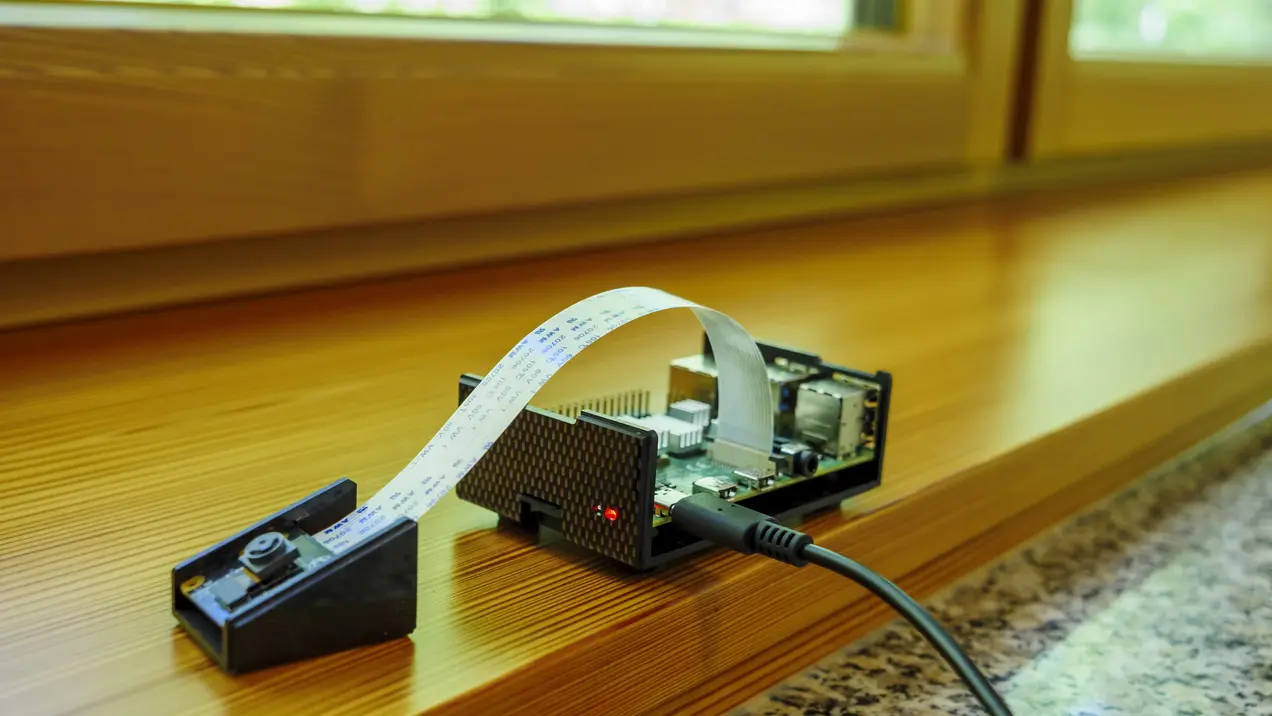
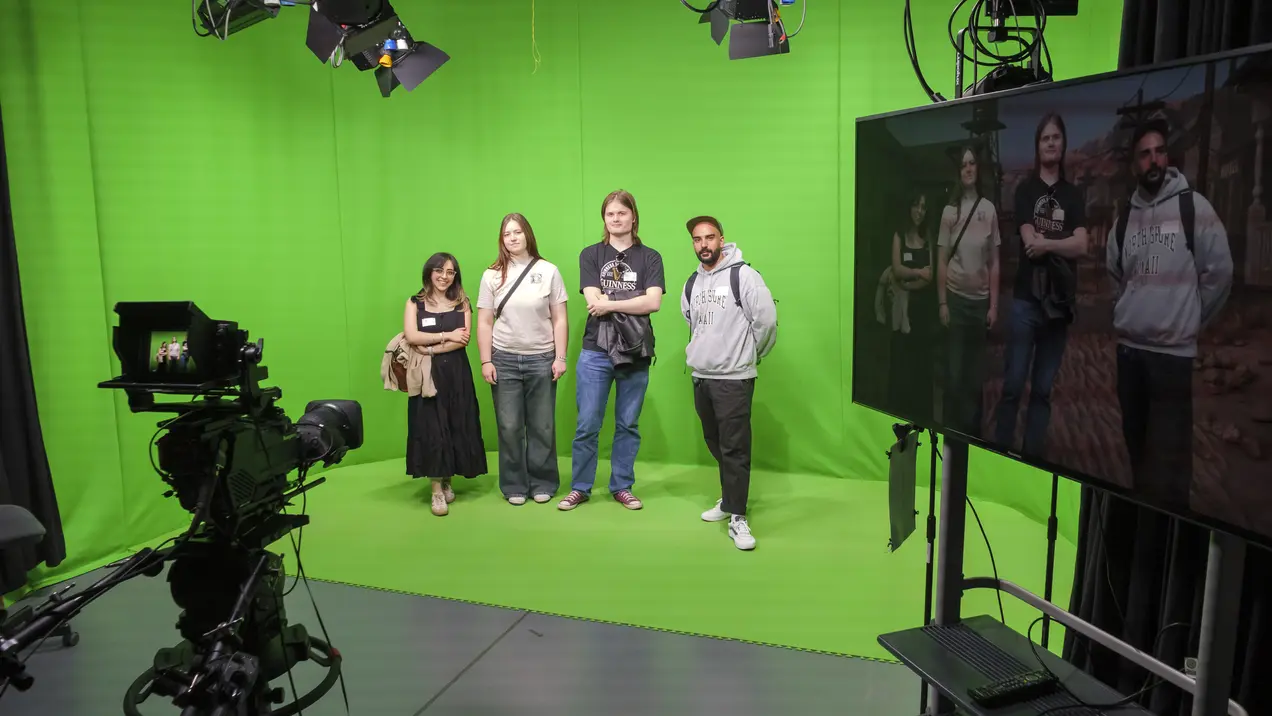
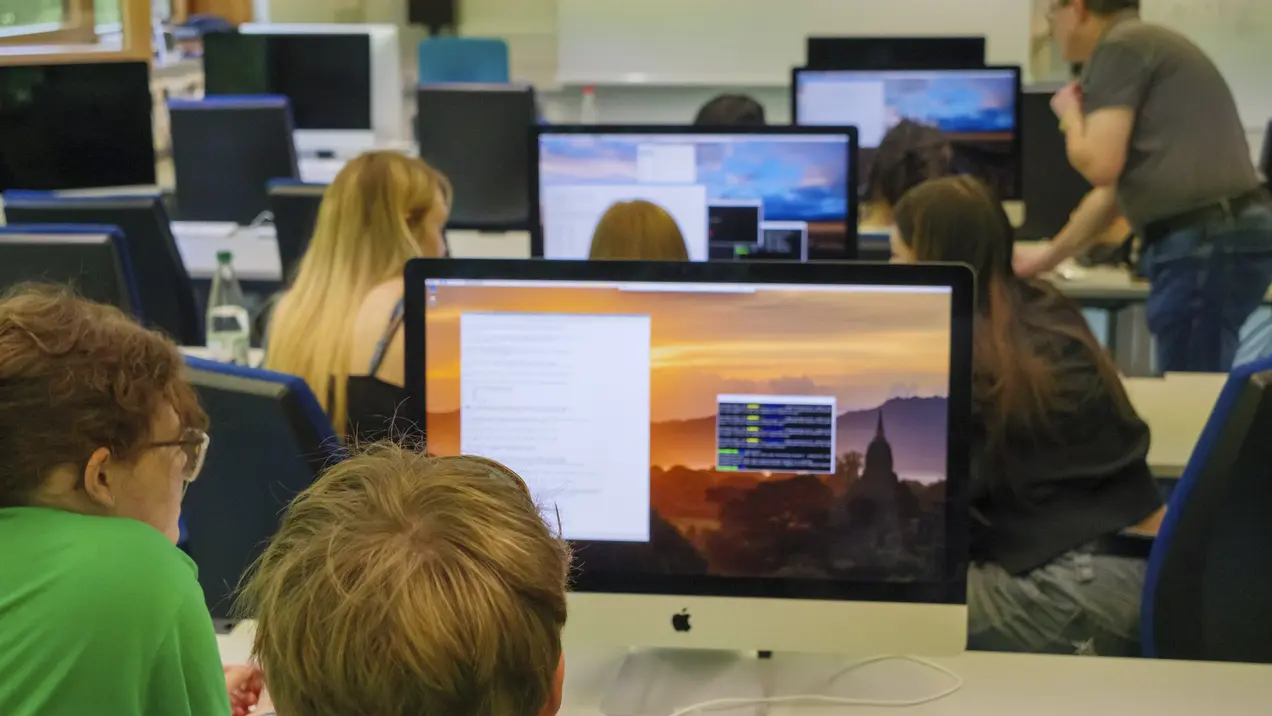
On May 14, 2025, 40 students and teachers from the August-Bebel-Schule in Offenbach visited us. There were six stations to experience and participate in: Virtual Production with the Unreal Engine, getting started with cloud computing, live streaming with the Raspberry Pi, video encoding with AI, AI-based composition of news clips, HDR/SDR conversion with AI.
The students had a lot of fun!
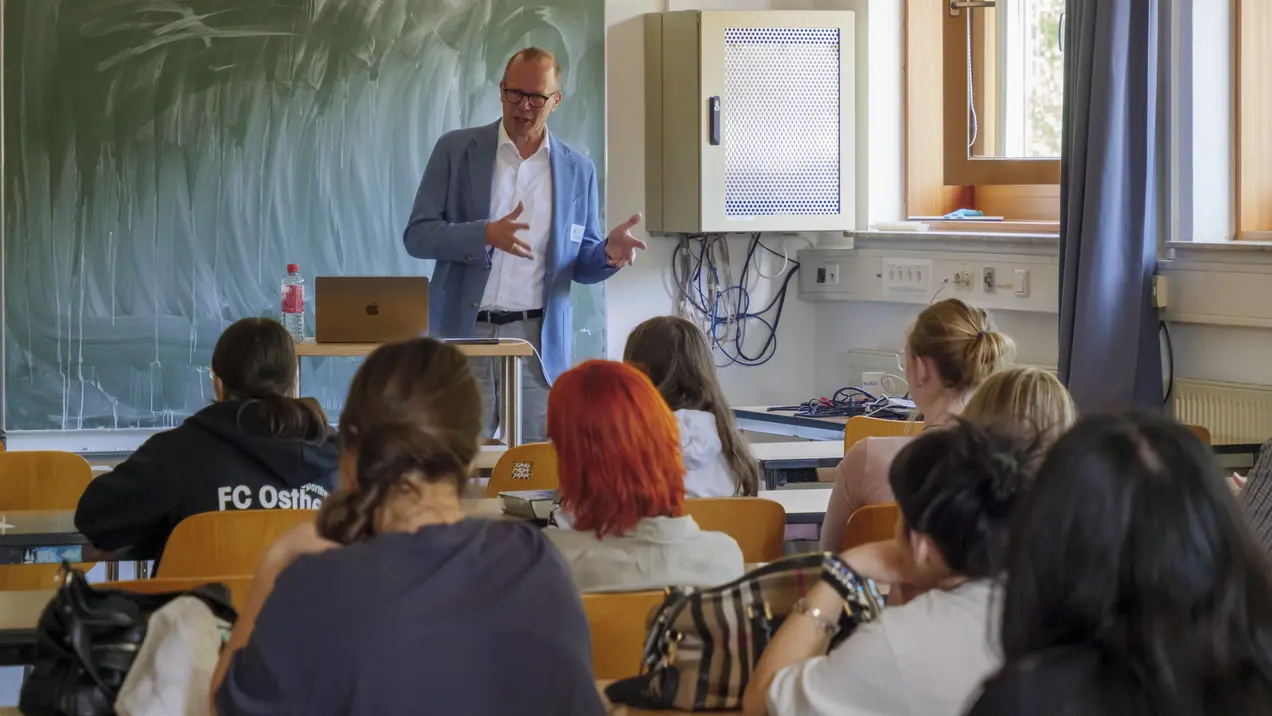
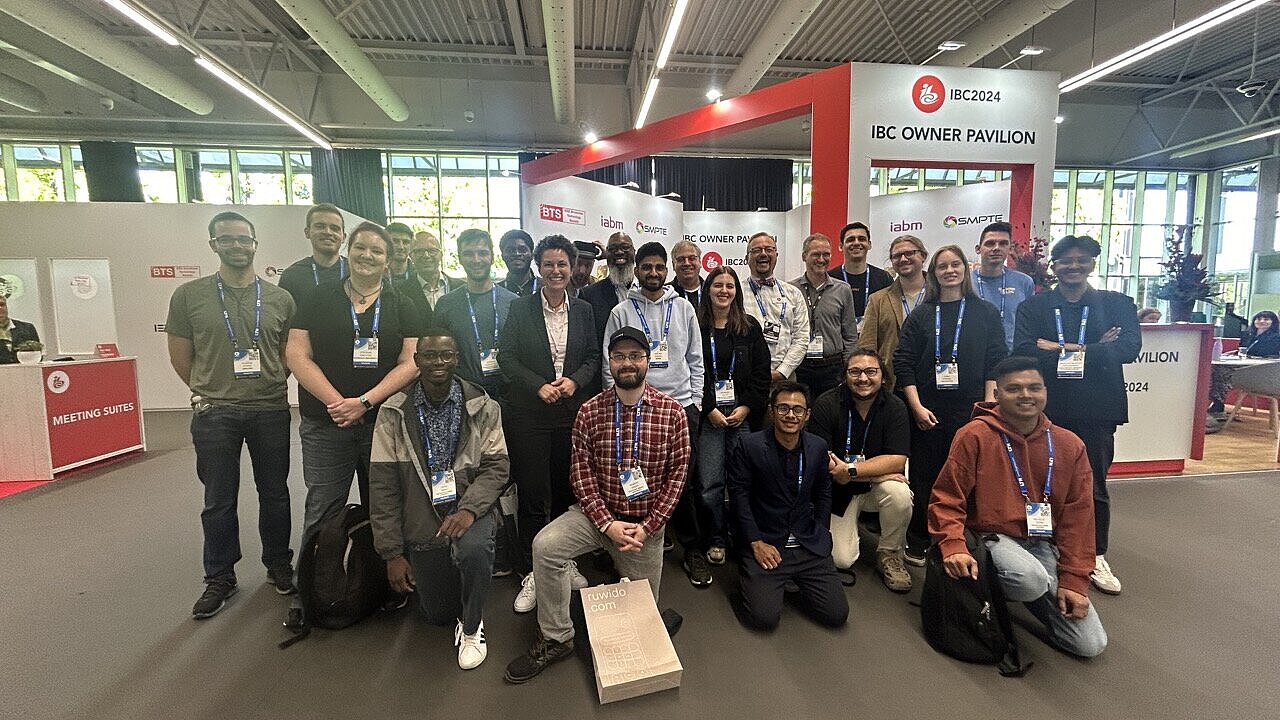
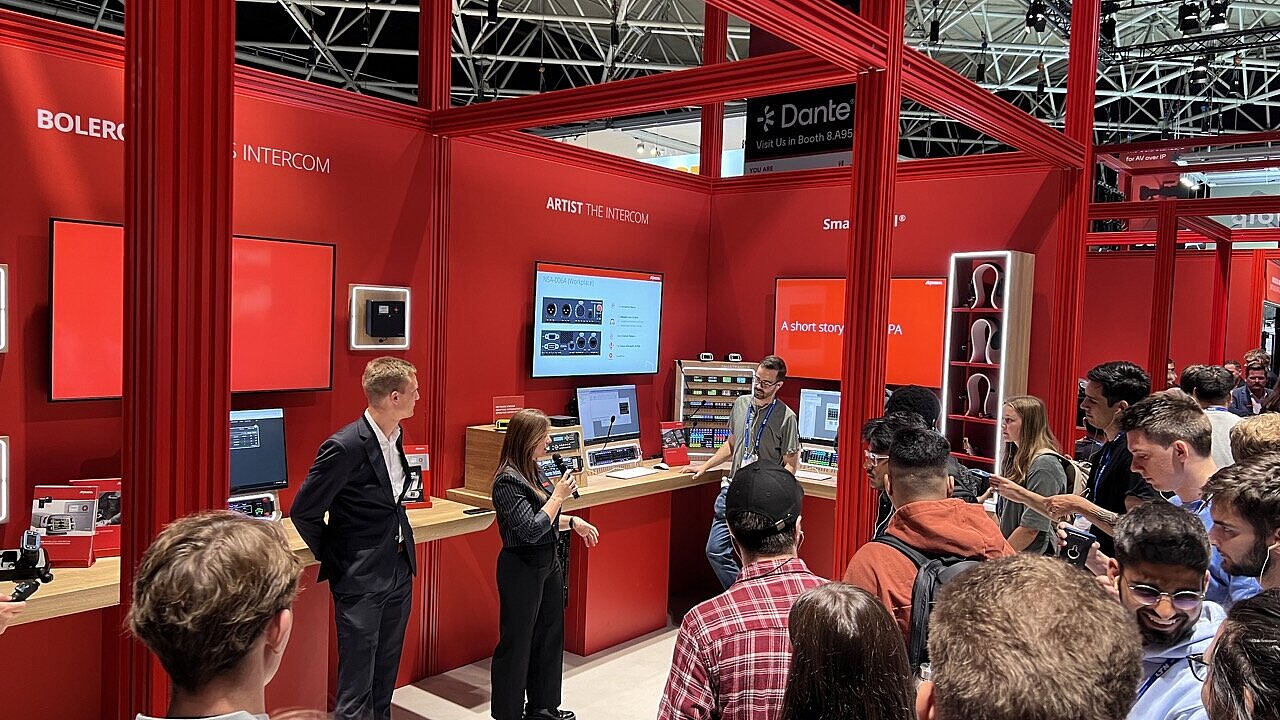
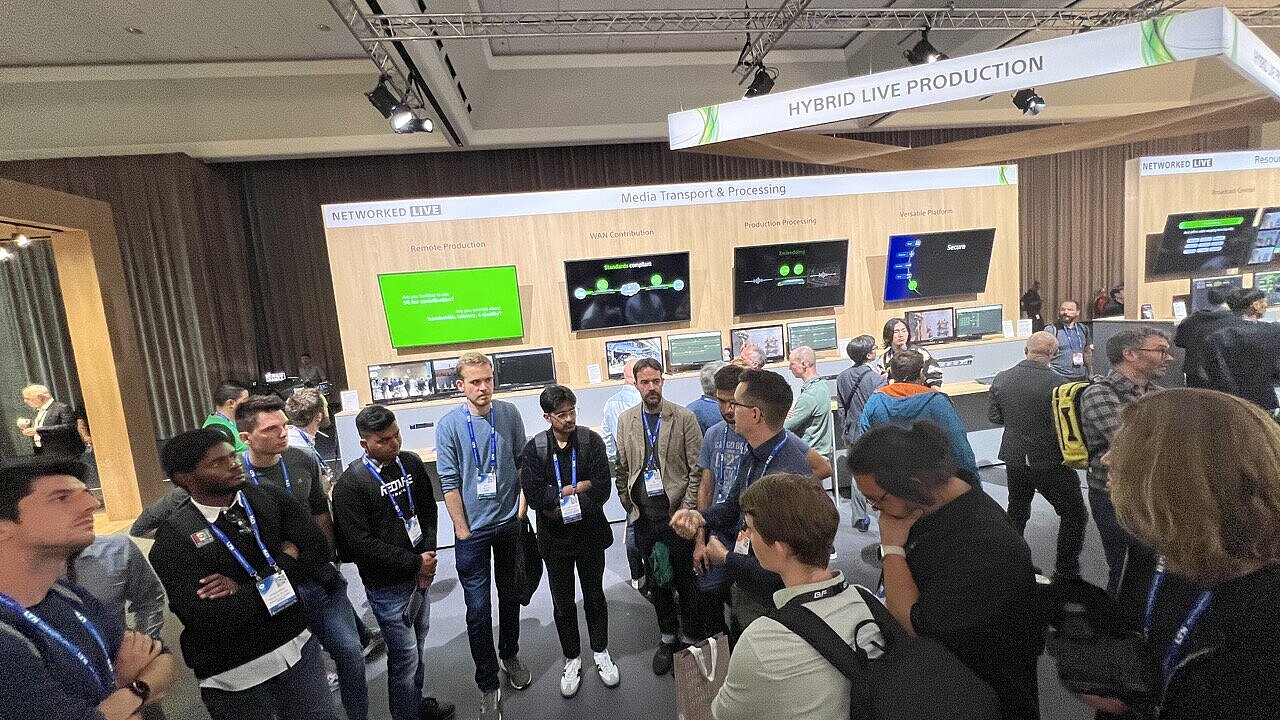
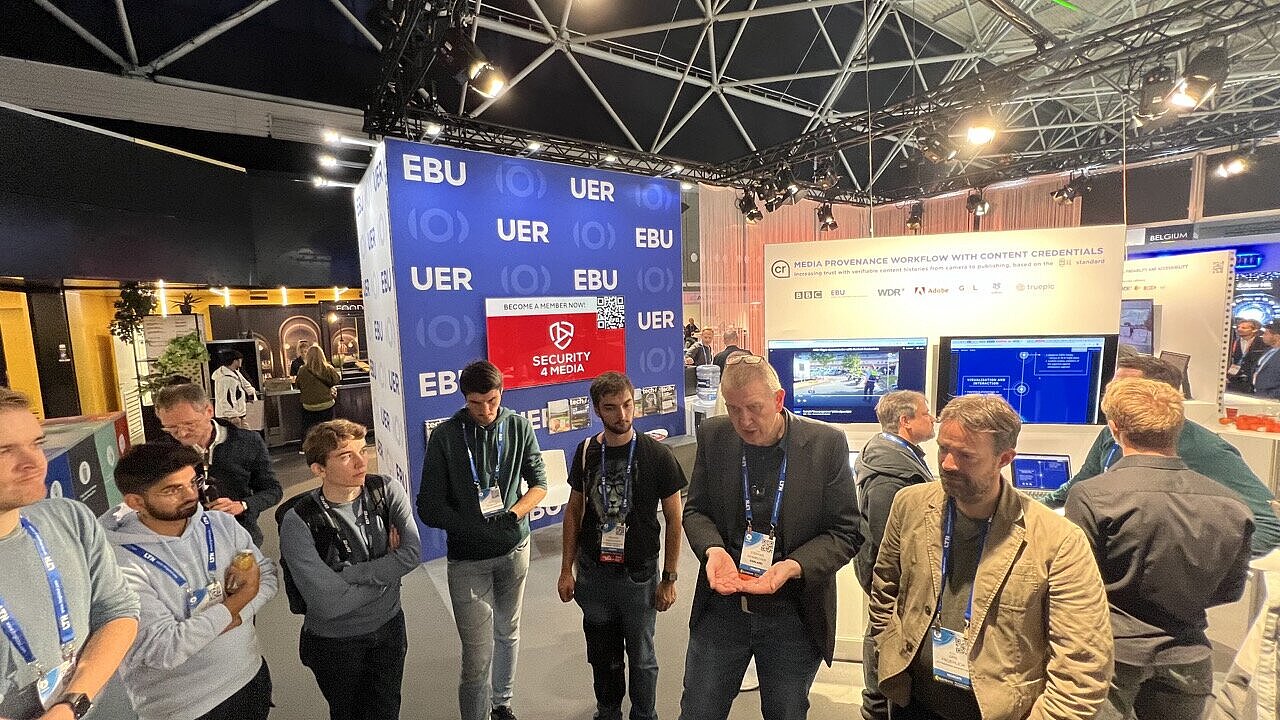
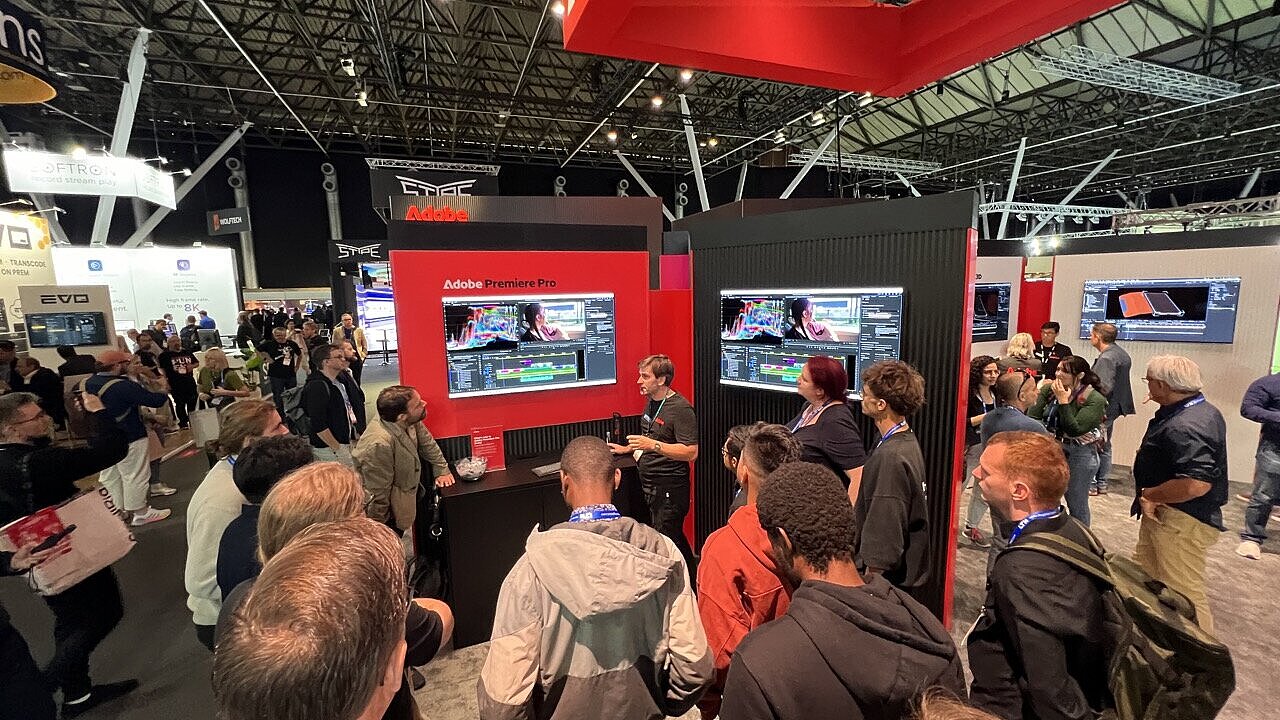
30 students from the SMPTE German Student Chapter spent three days at Europe's largest trade fair for Media&Entertainment IBC 2024.
We had a full program with stand visits, conference presentations and discussions.
In addition to the RheinMain - University of Applied Sciences and Arts, students from the Stuttgart Media University and the
Hamm-Lippstadt University of Applied Sciences were also on site.
Many thanks to all the companies and people we were able to visit for their time and commitment, and special thanks to RIEDEL Communications, Qvest Global, LOGIC media solutions GmbH and SMPTE for their support.
Special thanks to SMPTE for the excellent cooperation!
Examination regulations
Here you can find the current examination regulations for the Applied Engineering program, as well as the bylaws for AVT&KI.
All examination regulations and admission bylaws for the Department of Engineering can be found here.
(All regulations are available in German language only)