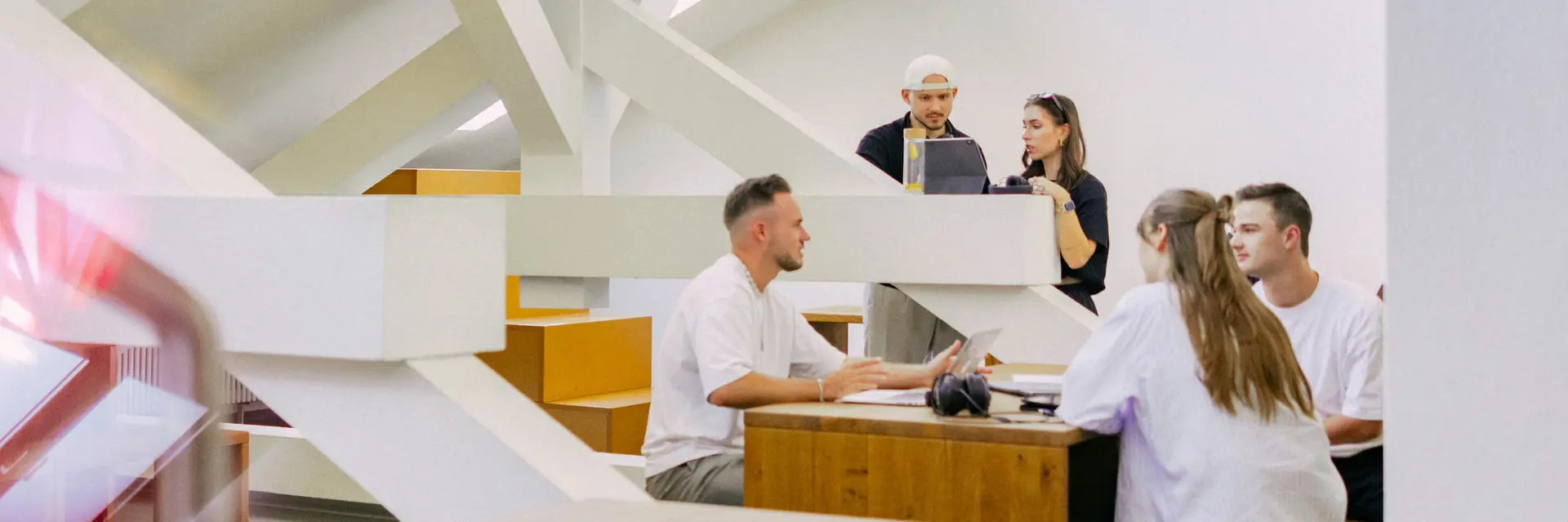

From June 8 to 12, 2026, the Wiesbaden Business School hosted the 4th International Seminars Week—an intensive week in which teaching, exchange, and internationalization came together right on the campus. Eight international faculty members from four continents participated: from North America (the U.S.), Africa (Morocco), Asia (Thailand), and Europe (Poland and Spain). In their courses, they covered a wide range of topics, from industrial and structural policy to data and diversity, defense spending, and new fiscal rules in the Eurozone, as well as sustainable supply chains, net-zero strategies in tourism, social listening in Marketing, human resource management, and value co-creation in digital consumer culture.
Internationalization at Home
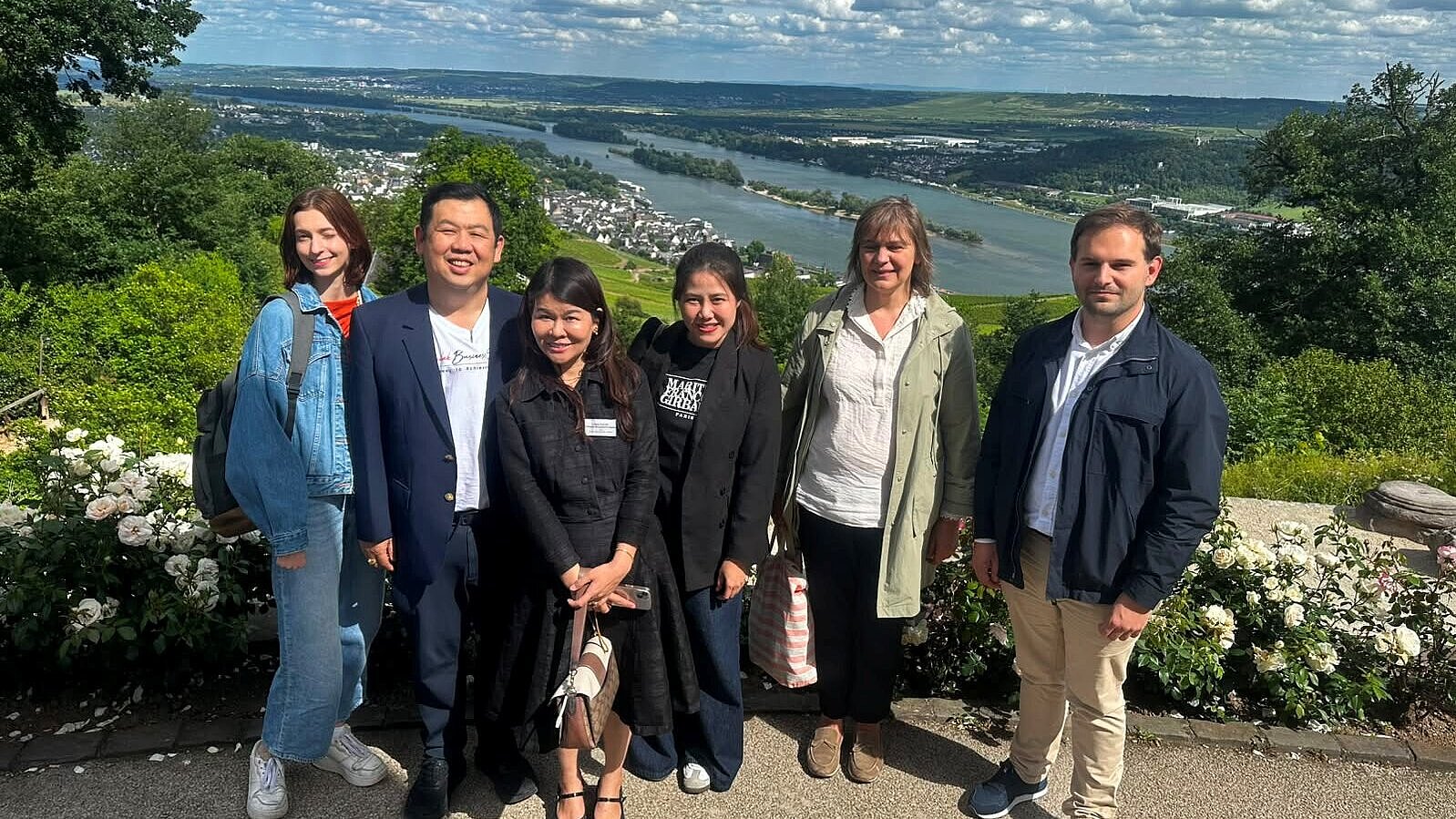
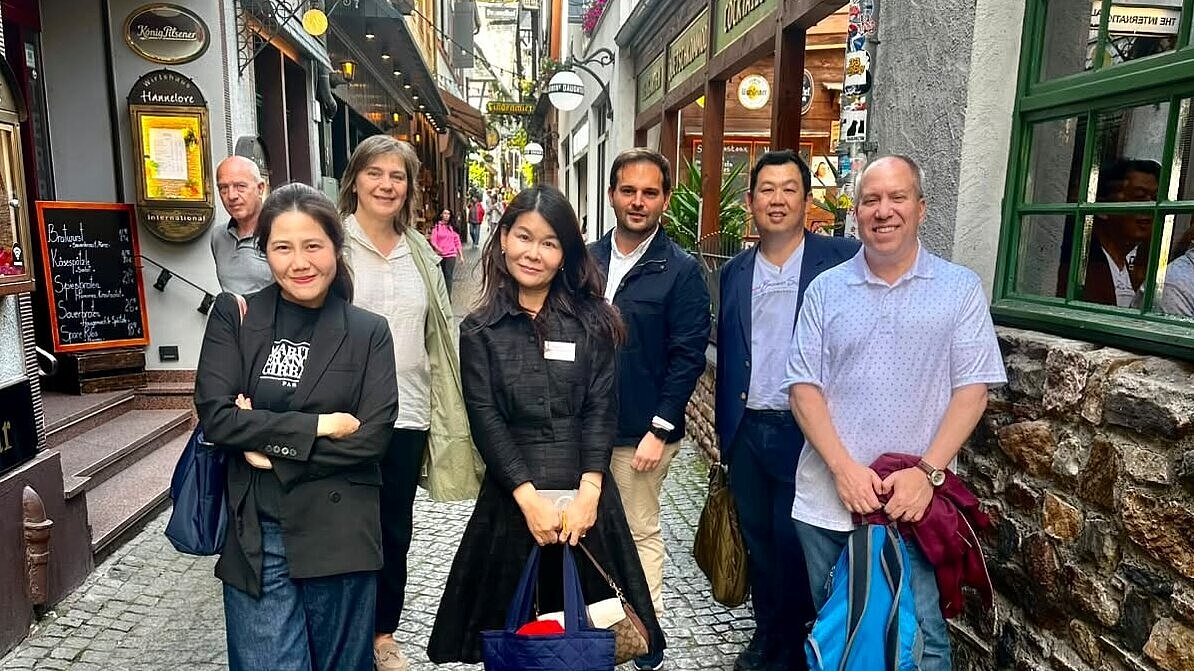
The academic program was complemented by a varied leisure program that allowed guests to actively experience Wiesbaden and the Rheingau—with a city tour, an excursion into the region, and joint evening events. The international guests also actively participated in the 2nd WBS Science Day on June 12, contributing to the event with presentations and discussions.
This makes the International Seminars Week a key “Internationalization at Home” measure: It enables students with limited mobility, in particular, to engage directly with international faculty, strengthens partnerships with partner universities, and simultaneously expands and solidifies the Wiesbaden Business School’s academic network.
A heartfelt thank you to our international colleagues for their dedicated contributions to teaching and exchange, as well as to the two organizers, Professor Dr. Marina Grusevaja and Carina Heit.