Research
Current projects
RAseR: Tire and road abrasion and tire-derived substances in the quaternary environment: Selected exposure scenarios and containment options (since 2024)
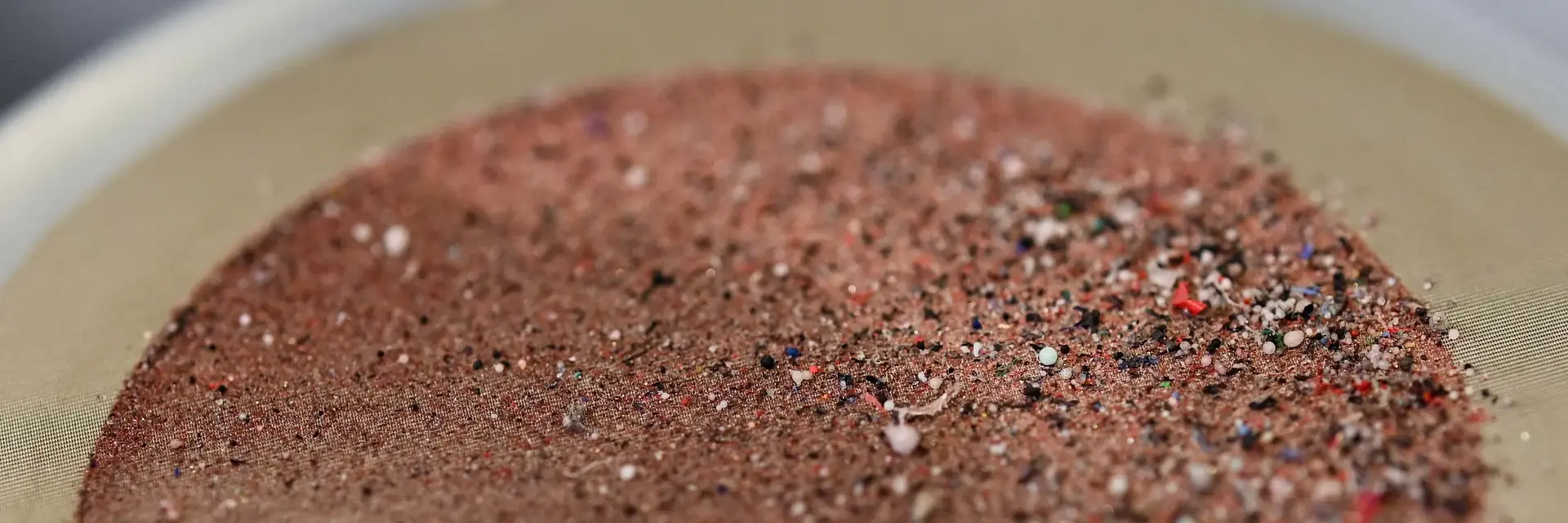
Tire abrasion is considered the largest source of microplastics in the environment. The goal of the project is to quantify tire and road abrasion (TRWP) and the resulting soluble substances in surface waters and road drainage systems. The retention capacity of technical facilities is determined and methods for optimized retention are developed. The project is being carried out in cooperation with the Institute for Analytical Research at Fresenius University of Applied Sciences. It is funded by the Deutsche Bundestiftung Umwelt (DBU), the Hessian Ministry for the Environment, Climate Protection, Agriculture and Consumer Protection and the Wirtschaftsverband der deutschen Kautschukindustrie e.V. (wdk).
Contact: Ludowika Kattner
Previous research projects
Entry MiPa: Microplastics in the paper industry (since 2022)
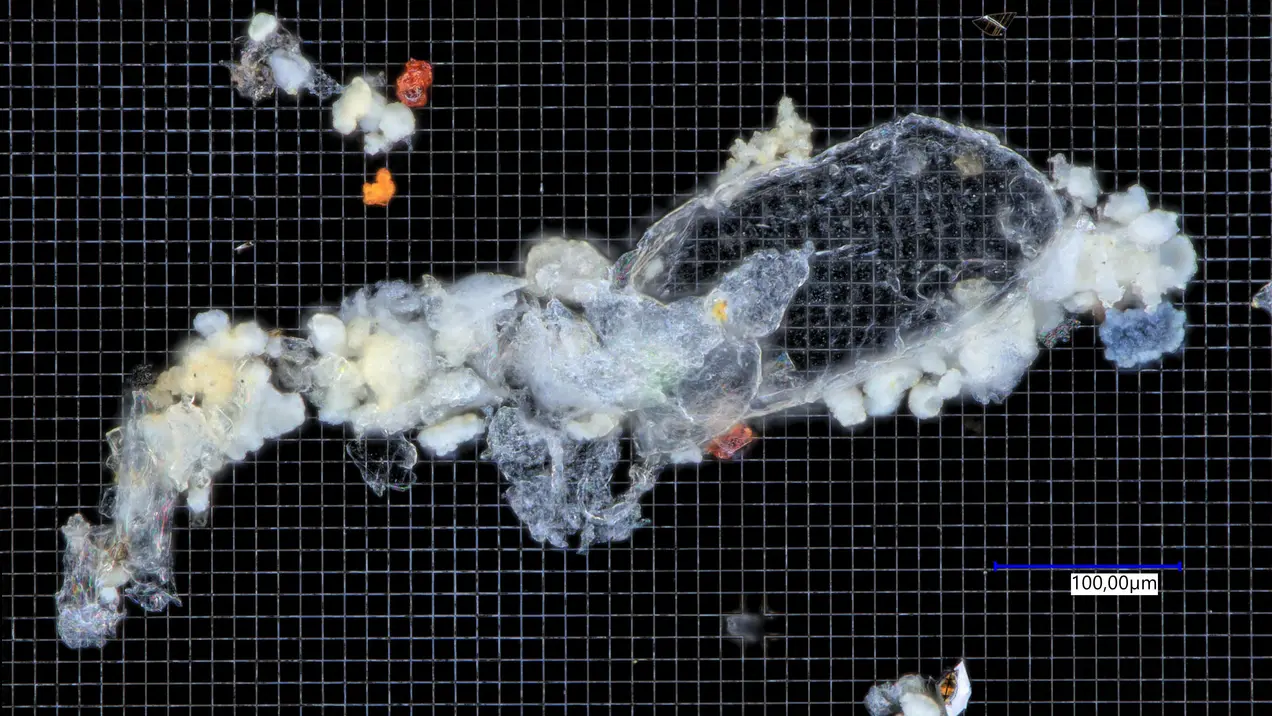
Microplastics can be produced in the paper industry through the recycling of waste paper, the use of polymers in paper products and plant and machine parts. In addition to the further development of an analysis method for the specific matrices of the paper industry, the goal of the research project is to identify sources of microplastics, to quantify emissions via the wastewater path and to check whether microplastics are also contained in products (e.g. food packaging).
The AiF project (IGF project no. 22225 N) is being carried out in cooperation with the Institute of Paper Manufacturing and Mechanical Process Engineering (PMV) at TU Darmstadt.
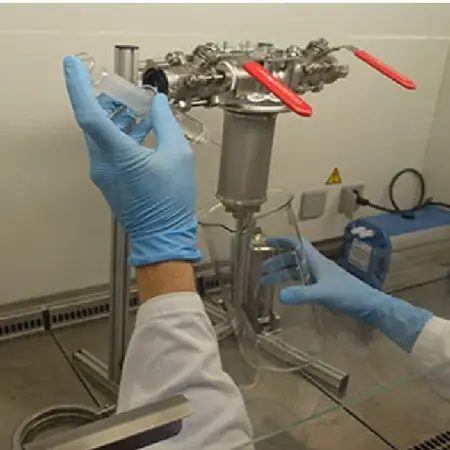
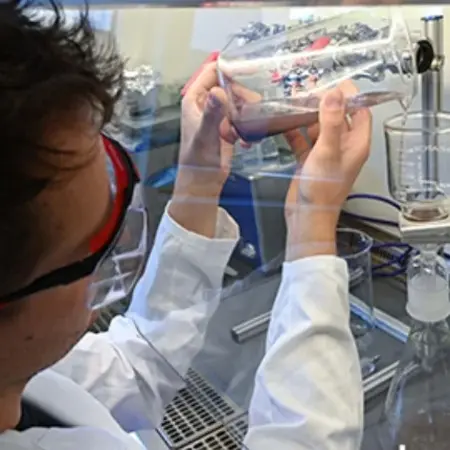
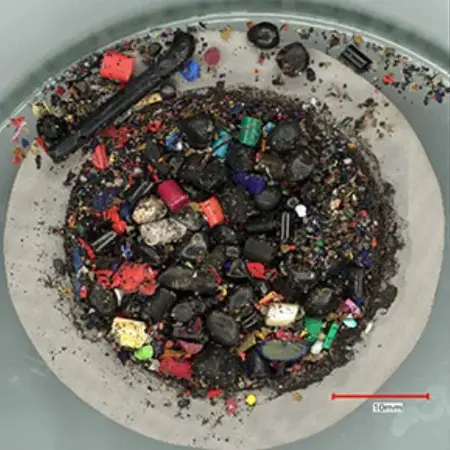
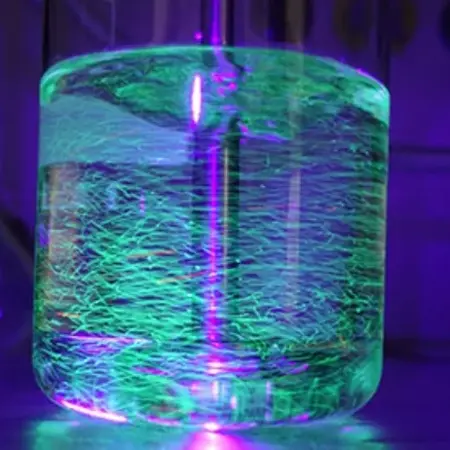
Investigation of Hessian surface waters for microplastics and validation of different sampling systems for sampling surface waters
In cooperation with the Hessian State Office for Environment, Nature Conservation and Geology (HLNUG).
The results report is available here
Research focus "Plastics in the environment - sources - sinks -
solutions"
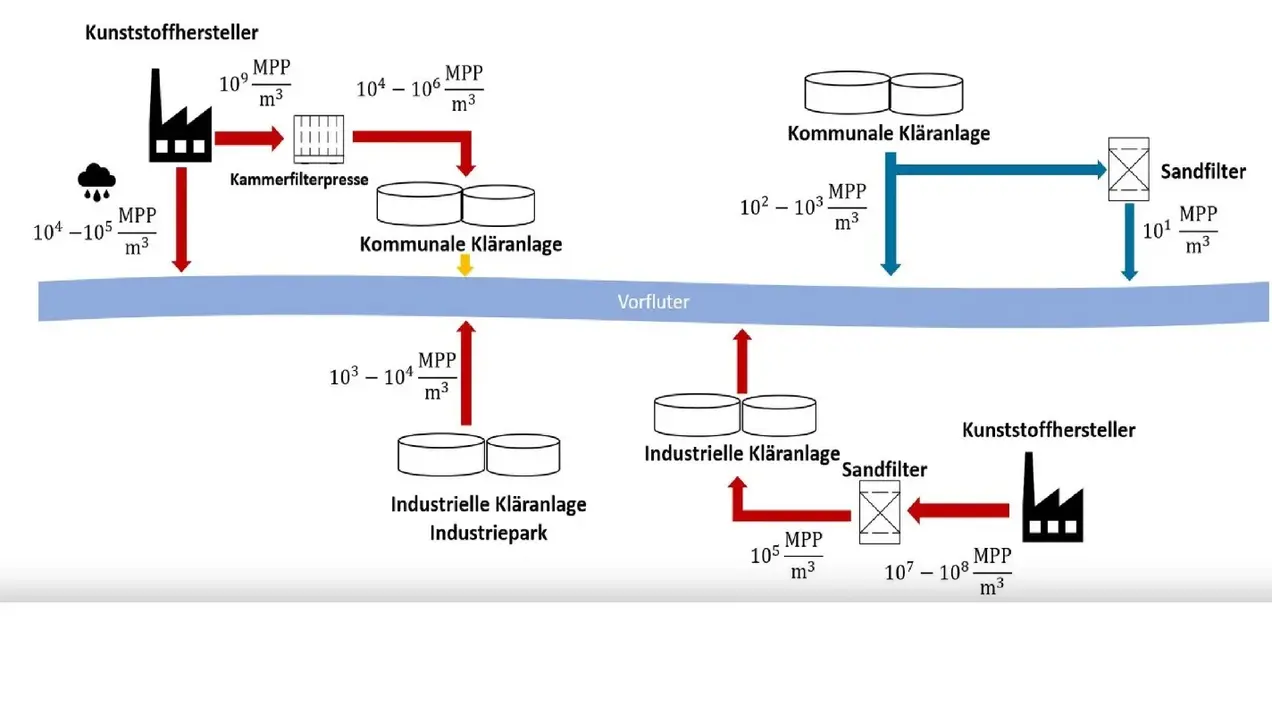
In the BMBF research project EmiStop, data on microplastics in industrial wastewater was systematically collected for the first time in collaboration with TU Darmstadt and EnviroChemie GmbH, among others. The focus was on plastics manufacturers, processing companies and large industrial parks. In addition to determining emissions from industrial wastewater treatment plants, separation systems such as sand filters and chamber filter presses were balanced and emissions from rainwater drainage were determined.
The complex industrial wastewater matrices and sometimes high microplastic concentrations made it necessary to develop a suitable analysis method, for example for taking representative sub-samples. This experience was incorporated into the BMBF's status paper on microplastic analysis.
Initial results show that emissions from industrial wastewater treatment plants in industrial parks are in the range of municipal plants. With existing separation technologies, such as sand filters and chamber filter presses, up to 99% of microplastics (< 10 µm) can be removed from wastewater. The discharge of untreated rainwater from industrial plants into surface waters was identified as a relevant source of microplastics.
Further information on EmiStop can be found in the video on the research project, in the specialist publications mentioned below and in the final report. Recommendations for action were also developed for industry professionals. Recordings of webinars on the topics of microplastics in industrial wastewater treatment plants and in rainwater from industrial sites are also available online
The Federal Ministry of Education and Research (BMBF) funded the joint project EmiStop in the research focus "Plastics in the environment - sources, sinks, solutions" with over 400,000 euros. The research focus was part of the Green Economy flagship initiative of the BMBF framework program "Research for Sustainable Development" (FONA3).
Project management: Prof. Dr.-Ing. Jutta Kerpen
In cooperation with the Rüsselsheim municipal utilities, the drinking water in the Rüsselsheim drinking water network and at taps was tested. No microplastics ≥ 10 µm were provided proof.
Several studies have provided proof of microplastics in mineral water. The IUVT investigated the influence of the PET bottle closure system on the concentration of microplastics in water. It was proven that microplastics are produced when the cap is opened/closed and that the concentration/absorption of microplastics increases with the number of these processes.